
If you have ever flipped over a bottle of store-bought ranch dressing and actually read the ingredient list, you know that sinking feeling. Soybean oil, high fructose corn syrup, modified food starch, artificial flavors — and that is before you even get to the preservatives. I used to grab those bottles without thinking twice because they were easy and my boys would actually eat salad when I used them. But easy and good for your family are not always the same thing, and once I started reading labels more carefully, I could not keep pretending those bottles belonged in our refrigerator.
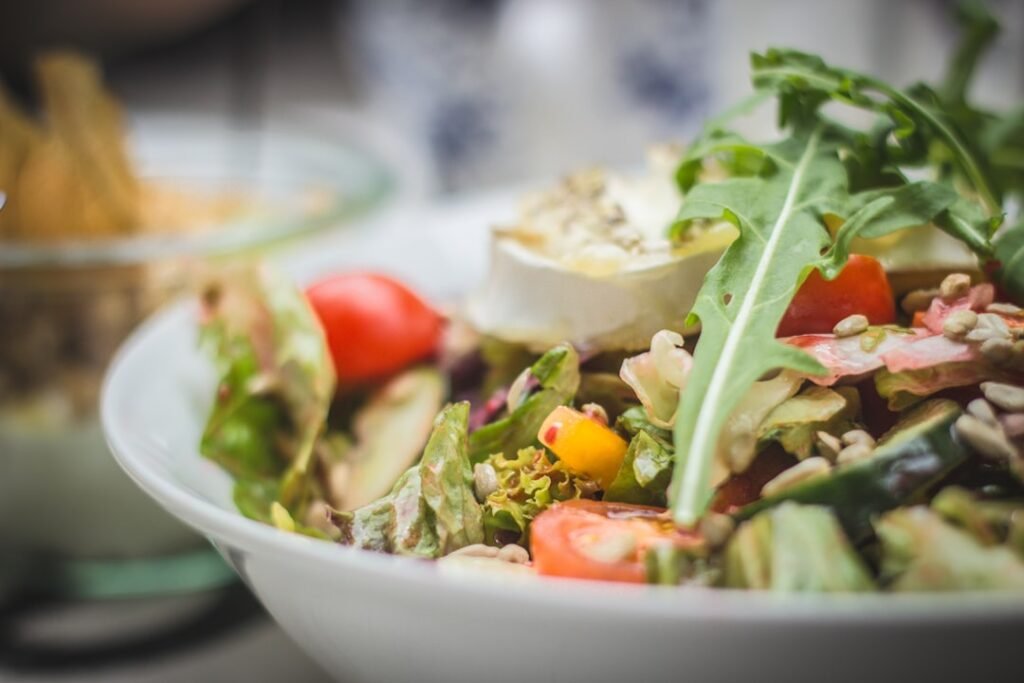
Here is what changed everything for me: I started making our own salad dressings at home, and it took me less time than I expected, cost far less than I was spending on those fancy bottles, and — most importantly — my boys still ate the salad. Actually, they ate more of it. When my 10-year-old helped whisk together our first homemade honey mustard vinaigrette and then proudly poured it over his own bowl, he ate every single leaf without complaint. That right there is the power of getting your kids involved in the kitchen.
This post is going to walk you through everything you need to know about making healthy homemade salad dressings and vinaigrettes that your whole family will actually use — including the basic formulas, the best ingredients to keep on hand, and several real recipes we rotate through regularly at our table here in Connecticut. Whether you are feeding a family of picky eaters or trying to get more vegetables into your teenage boys (asking for a friend), the right dressing makes all the difference.
Why Store-Bought Dressings Are Worth Replacing
I am not here to make anyone feel guilty about what is already in their fridge. But I do think it is worth understanding what is actually in most commercial salad dressings, because the gap between what they market and what they actually contain is significant. Most bottled dressings — even ones labeled “light” or “natural” — are made with low-quality refined oils, added sugars, excess sodium, and a list of stabilizers and emulsifiers that your body does not need.
According to the American Heart Association, the type of fat you consume matters just as much as the amount. Many commercial dressings rely heavily on refined soybean or canola oil as their base, which are highly processed and offer little nutritional value compared to extra virgin olive oil or avocado oil. When you make your dressing at home, you control exactly what goes in — and that is a genuinely big deal when you are trying to feed six people well every single night.
The other thing worth mentioning is sodium. A single two-tablespoon serving of many popular bottled dressings contains anywhere from 200 to 400 milligrams of sodium. When my boys are loading their salad plates — and trust me, teenage boys do not measure two tablespoons — that adds up fast. Homemade dressings let you season to taste with far less salt and still get incredible flavor from herbs, citrus, and good quality oils.
The Basic Formula Every Home Cook Needs To Know
Once you understand the basic formula for salad dressing, you can make almost anything work with what you have in your pantry. Most vinaigrettes follow a simple ratio of three parts oil to one part acid. The acid can be any vinegar — apple cider, red wine, balsamic, white wine — or fresh citrus juice like lemon or lime. Everything else is flavor: mustard to help it emulsify, a little sweetener if needed, garlic, herbs, salt, and pepper.
For creamy dressings, the base is usually plain Greek yogurt, tahini, avocado, or a small amount of mayonnaise made with olive oil or avocado oil. These swaps give you that rich, satisfying texture without loading up on refined oils or artificial thickeners. My boys cannot tell the difference between a Greek yogurt-based ranch and the bottled kind — and I have tested this theory more than once.
Keep these staples stocked in your pantry and refrigerator and you will always be able to pull together a dressing in about five minutes:
- Extra virgin olive oil — your primary fat base for most vinaigrettes
- Apple cider vinegar and red wine vinegar — versatile acids that work with almost everything
- Dijon mustard — acts as an emulsifier and adds depth of flavor
- Raw honey or pure maple syrup — for balanced sweetness without refined sugar
- Garlic — fresh or jarred minced, always essential
- Plain whole milk Greek yogurt — the base for creamy dressings
- Tahini — sesame seed paste that makes incredible creamy dressings
- Dried herbs — Italian seasoning, dill, oregano, and parsley are workhorses
- Lemon and lime — fresh citrus juice brightens everything
If you have been building up a healthy family pantry from scratch, most of these ingredients are probably already on your shelves. Dressings are a perfect example of how good pantry habits pay off every single week.
Five Homemade Dressing Recipes Our Family Actually Uses
These are not fancy restaurant recipes. These are the real dressings that get made in our kitchen on busy weeknights, sometimes with a six-year-old standing on a stool next to me whisking way too enthusiastically. All of them come together in under five minutes and store well in a mason jar in the refrigerator for up to a week.
Classic Honey Dijon Vinaigrette: Whisk together three tablespoons of extra virgin olive oil, one tablespoon of apple cider vinegar, one teaspoon of Dijon mustard, one teaspoon of raw honey, a small pinch of salt, and a crack of black pepper. This is the one my 10-year-old makes almost entirely on his own now. It works on everything — green salads, roasted vegetables, grain bowls, and even as a light marinade for chicken.
Creamy Greek Yogurt Ranch: Combine half a cup of plain whole milk Greek yogurt with two tablespoons of olive oil mayonnaise, one tablespoon of apple cider vinegar, one teaspoon of garlic powder, one teaspoon of onion powder, one tablespoon of fresh or dried dill, salt, and enough water to thin it to your preferred consistency. This is the dressing that wins over skeptics every single time. My 15-year-old goes through this on his salads, as a dip for carrots and cucumbers, and — honestly — sometimes just with a spoon.
Simple Lemon Tahini: Whisk together three tablespoons of tahini, the juice of one large lemon, one clove of minced garlic, two tablespoons of warm water, a drizzle of olive oil, and a pinch of salt. Add more water until it pours easily. This is incredible over roasted chickpea salads, cucumber and tomato bowls, or drizzled over our sheet pan dinners as a finishing sauce. The tahini gives it a creaminess that feels indulgent without any dairy.
Balsamic Herb Vinaigrette: Mix two tablespoons of balsamic vinegar with four tablespoons of extra virgin olive oil, half a teaspoon of Italian seasoning, one small minced garlic clove, a tiny drizzle of honey, and salt and pepper to taste. Shake it in a mason jar and you are done. This one is particularly good over salads with strawberries and feta in the warmer months, or over a hearty winter salad with roasted sweet potato and cranberries.
Zesty Lime Cilantro Dressing: Blend or whisk together the juice of two limes, three tablespoons of olive oil, a quarter cup of fresh cilantro (or a teaspoon of dried if that is what you have), one teaspoon of cumin, one clove of garlic, a pinch of salt, and half a teaspoon of honey. This one turns a simple black bean and corn salad into something the whole family gets excited about, and it doubles perfectly as a taco topping or a dipping sauce for quesadillas.
How To Get Your Kids Involved In Making Dressings
One of my favorite things about homemade dressings is how genuinely easy they are for kids to help make. There is no hot stove involved, the measurements are forgiving, and the results are immediate — which keeps younger kids engaged. My six-year-old’s job is to measure and pour. My 10-year-old whisks. My 12-year-old handles the garlic and any citrus juicing. My 15-year-old is at the point where I just hand him the mason jar and the general idea of what we are making and let him figure out the ratios himself.
This kind of low-stakes kitchen time builds real confidence and real skills. When a child helps make the dressing, they are genuinely invested in eating the salad it goes on. I have watched this work in our home over and over again. It is the same principle behind everything I believe about raising kids who know their way around a kitchen — start small, make it fun, and give them real ownership over what lands on the table. If you want more ideas on age-appropriate kitchen skills, this guide to teaching kids to cook by age is a great place to start.
Smart Storage Tips To Make Homemade Dressings Easy All Week
The number one reason people give up on homemade dressings is that they forget to make them ahead of time and then grab the bottle out of habit when dinner is already on the table. I get it — when four hungry boys are circling the kitchen at 5:30 on a Tuesday, the bottled dressing wins on convenience. Here is how I stay ahead of that:
- Make double batches on Sundays — most vinaigrettes keep easily for seven to ten days in the refrigerator in a sealed mason jar
- Use half-pint mason jars — they are the perfect size for one week’s worth of dressing for a family of six, they shake beautifully, and they stack neatly in the fridge door
- Label with a piece of tape and a marker — just the name and the date so you are not trying to remember what the mystery jar is on Thursday night
- Let olive oil-based dressings come to room temperature before serving — olive oil solidifies slightly in the refrigerator, so pull it out when you start dinner prep and it will be perfectly pourable by the time you sit down
- Make at least two different dressings per week — variety keeps the family from getting bored and ensures there is always something that works with whatever salad or vegetable you are serving
The Academy of Nutrition and Dietetics consistently emphasizes that vegetables should make up a significant portion of our daily eating — and one of the most practical ways to get a family to actually eat more vegetables is to make them taste genuinely good. A dressing made with real ingredients and real flavor does that in a way that a bottle of processed ranch simply cannot.
How This Small Swap Adds Up Over Time
I want to be honest with you about something: making your own salad dressing is not going to transform your family’s health overnight. But it is one of those small, consistent swaps that adds up meaningfully over weeks and months. When we replaced bottled dressings with homemade ones in our house, we cut out a surprising amount of hidden sugar and refined oil from our daily meals — not because we went on some dramatic elimination diet, but just because we stopped putting it in the bottle.
More than the nutrition piece, though, what I have noticed is that making dressings from scratch has changed the way we think about vegetables in this house. Salads and raw vegetables went from being something we tolerated to something we actually look forward to. My boys ask what dressing we are having. They have opinions. My 12-year-old recently requested the lemon tahini dressing two nights in a row, which is not something I ever expected to hear from a twelve-year-old boy.
That is the whole point, really. Food is supposed to nourish our bodies and bring us together around the table with something worth being grateful for. When you make something yourself — even something as simple as a mason jar of honey Dijon vinaigrette — there is a satisfaction in that. A sense of care that goes into the meal. Our family table is where we do a lot of our best living, and every small thing we do to make what lands on it better is worth the five minutes it takes.
Start with one dressing this week. Just one. Whisk it together with a kid beside you, pour it over something green, and see what happens. I think you will be surprised how easy it is — and how much your family actually notices the difference.
