
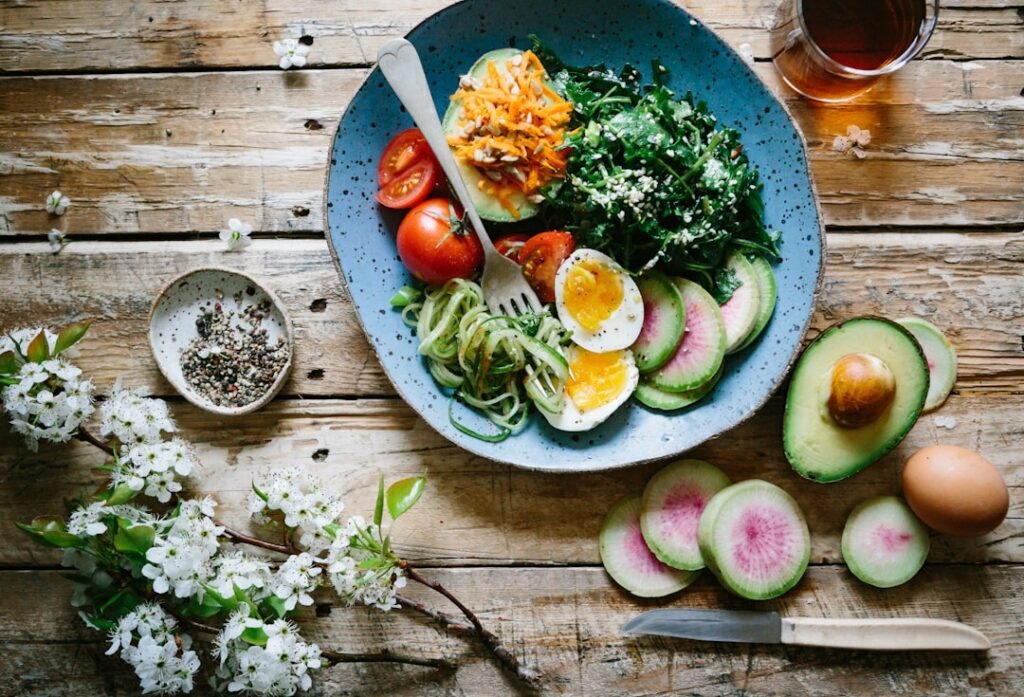
Eggs might just be the most underrated ingredient in my entire kitchen. They are cheap, fast, endlessly flexible, and my boys actually eat them without a single complaint — which, if you have hungry kids at home, you know is worth its weight in gold. On nights when I have no idea what to cook, when the budget is tight, or when I just need something on the table in under thirty minutes, eggs are almost always the answer.
I know eggs used to have a complicated reputation nutritionally, but the science has come a long way. According to the Harvard T.H. Chan School of Public Health, for most healthy people, eating one to two eggs per day is perfectly fine and comes with a real nutritional payoff — high-quality protein, healthy fats, vitamins B12 and D, choline, and more. For a family of six trying to eat well without spending a fortune, that is genuinely good news.
Here in Connecticut, eggs are easy to find at grocery stores year-round, and if you have access to a local farm stand or farmers market, pasture-raised eggs are an even better option — richer in flavor and often higher in omega-3 fatty acids. I pick up a few dozen at a time and keep them stocked constantly. They are a staple I never want to run out of.
What follows is my honest, practical guide to making eggs work as a real dinner protein for a busy family — not just a weekend brunch thing, but a legit weeknight strategy that will save you time, money, and stress.
Why Eggs Belong At Your Dinner Table, Not Just The Breakfast Table
There is a cultural habit in this country of keeping eggs confined to the morning hours, but plenty of cuisines around the world have always treated eggs as a dinner food — and for good reason. A large egg contains about six grams of high-quality protein along with essential amino acids, and it cooks in minutes. When you have four hungry boys staring at you at five-thirty in the evening, that speed matters enormously.
Eggs are also one of the most affordable proteins available. At most Connecticut grocery stores, a dozen large eggs costs significantly less per serving than chicken breasts, ground beef, or even canned tuna. That kind of budget flexibility is real, especially during weeks when other grocery costs have added up. I lean on eggs at least once or twice a week for dinner, and it has genuinely helped stretch our grocery budget without sacrificing nutrition.
If you are already using beans and legumes as a budget-friendly protein source, eggs are a perfect companion strategy. Pair them together on the same plate and you have a complete, satisfying, nutritionally solid dinner for not much money at all.
The Egg Dinner Formula My Family Relies On
Over the years I have landed on a simple mental formula for building egg dinners that actually fill up six people. It goes like this: eggs plus a vegetable plus a grain or starch plus a sauce or seasoning. That combination hits all the bases — protein, fiber, complex carbohydrates, and enough flavor to make everyone happy.
Here is what that looks like in practice at our table:
- Eggs over roasted sweet potatoes with sautéed spinach and a drizzle of hot sauce — simple, colorful, and filling enough that even my 15-year-old goes back for seconds
- Shakshuka with crusty whole grain bread — eggs poached right in a spiced tomato and pepper sauce, served family style straight from the pan. My boys love dipping the bread.
- Vegetable fried rice with scrambled eggs — a great use for leftover cooked rice and whatever vegetables are in the fridge. My 12-year-old has learned to make this one himself.
- Baked egg and veggie frittata — I load it with whatever produce needs to be used up, cook it start to finish in a cast iron skillet, and slice it like a pizza at the table
- Egg tacos with black beans, avocado, and salsa — scrambled eggs in warm tortillas with toppings everyone can customize. This one disappears fast.
None of these meals require a complicated recipe or expensive ingredients. They require a good skillet, a dozen eggs, and whatever you already have in the kitchen.
How To Make Shakshuka For A Family Of Six
Shakshuka is probably my single favorite egg dinner, and it has become a regular in our rotation. It looks impressive, smells incredible while it is cooking, and comes together in one pan in about twenty-five minutes. When I set the skillet on the table with six eggs nestled in that deep red sauce, it feels like a real meal — because it is.
Here is how I make it for our family:
Start by heating two tablespoons of olive oil in a large oven-safe skillet over medium heat. Add one diced onion and one diced bell pepper and cook until softened, about five to seven minutes. Add four minced garlic cloves, one teaspoon cumin, one teaspoon smoked paprika, half a teaspoon chili flakes if your kids can handle a little heat, and a pinch of salt. Stir and let the spices bloom for about sixty seconds.
Pour in two cans of crushed tomatoes — the twenty-eight ounce size — and stir everything together. Let the sauce simmer for about ten minutes until it thickens slightly and smells absolutely wonderful. Taste it and adjust the seasoning.
Now use a spoon to make six small wells in the sauce and crack one egg into each well. Cover the skillet with a lid and cook over medium-low heat until the whites are set but the yolks are still a little runny — about eight to ten minutes. Serve straight from the pan with whole grain pita or crusty bread for dipping. Crumbled feta on top is optional but very good.
My boys fight over the bread for dipping. Every single time. It is one of those dinners that genuinely gathers everyone around the table in the best way — reaching, dipping, laughing. I am grateful for meals like that.
The Frittata Strategy That Uses Up Whatever Is In Your Fridge
A frittata is essentially a baked Italian egg dish, and it has become one of my most reliable midweek tools. The beauty of it is that there is no fixed recipe — it is a framework for using up whatever vegetables, cheeses, or cooked proteins are already in your refrigerator.
The basic method is this: whisk eight to ten eggs with a splash of milk, salt, pepper, and whatever herbs you like. Heat an oven-safe skillet over medium heat, add a little olive oil, and cook your vegetables until they are softened and any excess moisture has cooked off. Pour the egg mixture over the top, let the edges just begin to set, and then transfer the whole skillet to a 375-degree oven for about twelve to fifteen minutes until the center is firm.
That is it. Slice it in wedges and serve it with a simple green salad and some whole grain toast. Dinner is done.
Some combinations we love:
- Zucchini, cherry tomatoes, and feta
- Broccoli, cheddar, and caramelized onion
- Roasted red peppers, spinach, and goat cheese
- Leftover roasted vegetables from earlier in the week with whatever cheese is open in the fridge
This is also one of the best ways I know to reduce food waste. A half-used bag of spinach, two zucchini that need to be used, a handful of cherry tomatoes — all of it disappears into a frittata beautifully. God does not call us to be wasteful, and little acts of stewardship in the kitchen add up over time — both spiritually and financially.
Getting Kids Involved With Egg Dinners
Egg-based dinners are genuinely some of the best meals for getting kids involved in cooking, and in our homeschool home, the kitchen is part of our daily education. Cracking eggs is a skill that takes practice, and my 6-year-old is now quite proud of the fact that he can crack an egg without getting shell in the bowl — most of the time.
My 10-year-old can whisk eggs for a frittata completely independently, and my 12-year-old has mastered the stovetop fried rice dish from start to finish. My 15-year-old can make shakshuka on his own now, which means on the occasional night I am running behind, he can take the lead and have dinner going by the time I walk through the door. That kind of kitchen confidence is something I have been intentionally building over the years — and egg dinners are where a lot of it started, because the techniques are approachable and the results are immediately satisfying.
If you want a more structured framework for teaching your kids these skills progressively, I put together a full guide on teaching kids to cook by age that maps out exactly what each age group can realistically handle. Egg dishes show up throughout that guide for good reason.
Tips For Buying And Storing Eggs Well
A few practical notes that have made a real difference in our kitchen:
- Buy local when you can. Connecticut has wonderful small farms, and many farm stands sell pasture-raised eggs that are noticeably richer in color and flavor than standard grocery store eggs. Check the Connecticut Grown program to find farms and farm stands near you.
- Buy in bulk when they are on sale. Eggs keep for three to five weeks in the refrigerator, so stocking up when the price is good is a smart strategy.
- Store them in the original carton. The carton protects eggs from absorbing other food odors in the fridge and helps them stay fresh longer.
- Do not waste the yolks. Whole eggs are nutritionally complete — the yolk contains most of the vitamins, healthy fats, and choline. Unless a doctor has advised otherwise, there is no reason to toss them.
- Hard-boil a batch on the weekend. A bowl of hard-boiled eggs in the fridge is one of the fastest snacks or salad additions you can have ready to go during a busy week.
A Few More Quick Egg Dinner Ideas When You Are Really Short On Time
Some nights I need dinner in fifteen minutes flat. Here are the egg-based meals I reach for when that is the reality:
- Classic scrambled eggs with whole grain toast and sliced avocado — simple and nourishing, and nobody in this house complains about it
- Fried egg sandwiches with sharp cheddar, spinach, and a little mustard on whole wheat bread — my boys think these are a treat
- Egg drop soup using low-sodium chicken broth — surprisingly fast and warming on cold Connecticut nights
- Veggie egg scramble — eggs cooked with whatever vegetables I have plus a sprinkle of cheese, served with rice or leftover roasted potatoes
None of these will win a cooking award. But they will feed six people well, quickly, and without breaking the bank. And on a Tuesday night in November when everyone is hungry and overtired, that is exactly what a family needs.
Eggs have been feeding families for centuries — simple, humble, and remarkably complete. I love that something so ordinary can show up on our table night after night in a completely different form and still feel like enough. More than enough, actually. It feels like provision — and I do not take that lightly. I hope these ideas give you one more good tool in your kitchen repertoire, and I hope your family finds as much joy around a skillet of shakshuka as mine does.
