
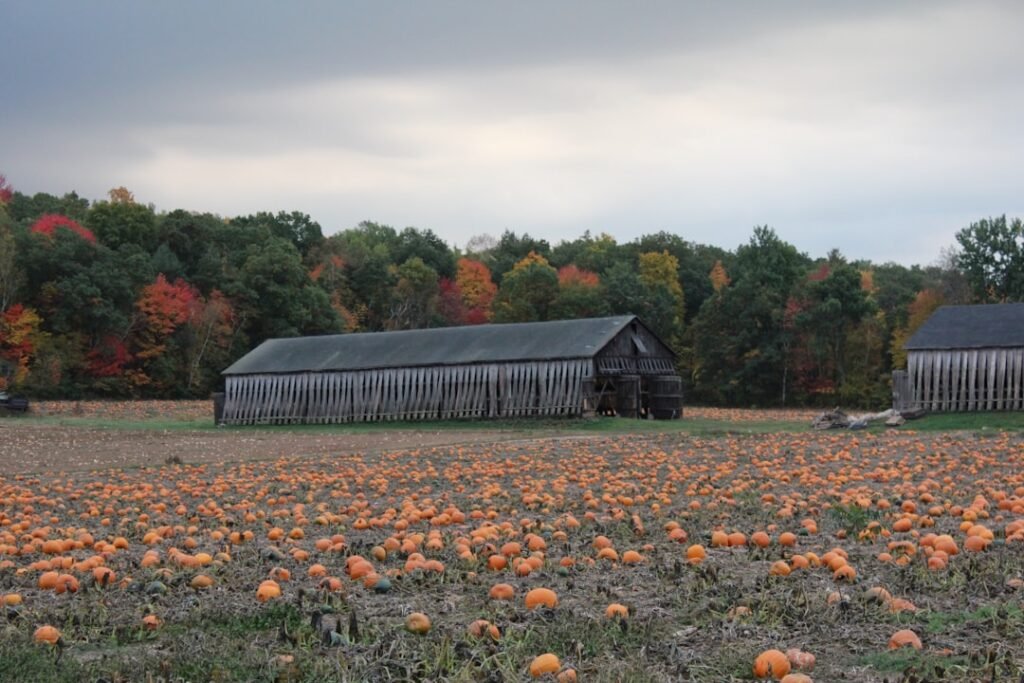
There is something about October in Connecticut that just stops me in my tracks. The air gets that crisp bite to it, the boys start asking for warm dinners again, and every farmers market and roadside stand I pass is overflowing with the most beautiful produce you will see all year. Butternut squash piled high. Deep purple eggplant. Bundles of kale and Swiss chard. Apples in more varieties than my kids can name. And honestly? This is my favorite time of year to cook.
If you have been waiting for the right moment to get your family eating more vegetables without a battle at the dinner table, fall in Connecticut is your golden opportunity. The produce is naturally sweet, hearty, and filling — which means it actually appeals to hungry kids. My four boys, who range from 6 to 15, are far more likely to eat a roasted vegetable when it comes off the table warm and caramelized than anything I could serve them from a bag in the middle of July. Seasonal eating is not just a trend — it is a genuinely practical strategy for feeding your family better food at better prices.
Let me walk you through what is actually in season right now across Connecticut, how I use it in our weekly meals, and some simple ways to make fall produce work for your busy family without turning every dinner into a project.
What Is Actually in Season in Connecticut This Fall
Connecticut’s growing season wraps up beautifully in the fall with a generous harvest window that runs from September through November. Knowing what is available helps you shop smarter — especially at local farm stands, which tend to offer better prices than grocery stores when produce is at peak season.
Here is what you will find in abundance at Connecticut farms and markets this time of year:
- Winter squash — butternut, acorn, delicata, spaghetti squash, and pie pumpkins
- Apples — Connecticut orchards are famous for varieties like Honeycrisp, Cortland, Empire, and Macoun
- Root vegetables — carrots, parsnips, turnips, beets, and sweet potatoes
- Dark leafy greens — kale, Swiss chard, collard greens, and spinach
- Cabbage and Brussels sprouts — which actually get sweeter after the first frost
- Cauliflower and broccoli — fall is their prime season in the Northeast
- Garlic and onions — harvested in late summer and available all fall
The Connecticut Grown program is a wonderful resource for finding local farms, farm stands, and farmers markets near you. I keep that site bookmarked and check it regularly when I want to know what is coming up fresh from Connecticut farms in any given week.
Why Seasonal Produce Is a Win for Busy Moms on a Budget
I want to be honest with you — feeding a family of six on a budget requires strategy. When you buy produce that is in season locally, you are buying it at the top of its supply curve, which almost always means lower prices. A butternut squash at a Connecticut farm stand in October costs a fraction of what it would in February when it is being shipped from across the country.
Beyond price, seasonal produce just tastes better. That matters enormously when you are trying to get kids to eat their vegetables. My 10-year-old, who once declared that he hated squash in every form, now asks for roasted butternut squash with cinnamon because the flavor is genuinely sweet and appealing when the squash is fresh and in season. The same vegetable in spring, mealy and bland, was a hard sell. Context — and freshness — changes everything.
There is also a nutritional case to be made. Produce that is harvested locally and eaten within days is higher in vitamins and minerals than produce that travels thousands of miles over two weeks. According to the Academy of Nutrition and Dietetics, fruits and vegetables begin losing some of their nutrient content after harvest, so the shorter the time between farm and table, the better — which is another great reason to support your local Connecticut farms this fall.
My Go-To Fall Recipes That My Boys Actually Eat
I am not going to share recipes that sound impressive but require an hour of prep and a dozen specialty ingredients. These are the meals that actually make it onto our table on a Tuesday night when we have finished a full homeschool day and everyone is hungry by 5 o’clock.
Sheet Pan Roasted Vegetables: This is my foundation fall recipe and I use it at least twice a week from October through December. I cube whatever root vegetables and squash I have on hand — usually a mix of butternut squash, sweet potato, carrots, and beets — toss them with olive oil, salt, pepper, and a little garlic powder, and roast at 400 degrees for 30 to 35 minutes. The natural sugars caramelize and the edges get crispy. My 6-year-old calls them “candy vegetables,” which is the highest compliment I have ever received in this kitchen.
Spaghetti Squash with Meat Sauce: This one has become a genuine family favorite and it is so simple. I roast a spaghetti squash cut-side down in the oven while I make a simple ground turkey or beef marinara on the stove. Scoop out the strands, top with sauce, and you have a filling, lower-carb dinner that feels like pasta night. My 15-year-old started making this one himself after I showed him the technique, and now it is in his personal recipe rotation.
Simple White Bean and Kale Soup: On the days when the temperature drops fast and I need something warming on the table quickly, this soup is my answer. Sauté onion and garlic in olive oil, add a can of white beans, a bunch of chopped kale, chicken broth, and season generously. It is done in under 25 minutes, it is filling and nutritious, and it pairs beautifully with a loaf of crusty bread. Even my picky 10-year-old will eat it when the kale is cooked down soft.
Stuffed Acorn Squash: I usually save this one for a Sunday dinner when I have a little more time and want something that feels special. Halve and roast acorn squash while you cook a filling of ground sausage, diced apple, onion, and a handful of dried cranberries. Stuff the halves and return them to the oven for 10 minutes. It is sweet, savory, hearty, and honestly looks beautiful on the table. Sunday dinners in our house are one of those intentional rhythms I hold onto — a chance to slow down, pray together, and really gather as a family. A meal like this makes that moment feel worthy of the effort.
Getting Your Kids Involved with Fall Cooking
Fall produce is actually ideal for getting kids into the kitchen because so much of it is hands-on in an approachable way. Harder vegetables like squash do require a sharp knife for adults, but there is plenty that even young children can do.
My 6-year-old helps wash and sort vegetables, tears kale leaves off the stems, and loves to toss ingredients in a bowl with oil and spices. He feels genuinely involved, and children who help prepare food are statistically more likely to eat it — that has been true in our kitchen more times than I can count.
My 12-year-old has taken on peeling and dicing softer vegetables like sweet potatoes and beets under supervision. He is also learning to read recipes and measure seasonings, which we count as part of his homeschool practical life skills. My 15-year-old is getting comfortable at the stove and has started experimenting with seasoning combinations on his own, which I genuinely love to watch. There is something powerful about teaching a teenager that he can nourish himself and others — it is a life skill that will serve him forever.
If you are looking for more ideas about how to involve your kids in cooking based on their age, I put together a full guide that I think you will find really helpful — check out my post on getting kids involved in cooking at every age for specific tasks and tips by developmental stage.
How to Shop Smarter for Fall Produce in Connecticut
Here are the strategies that have worked well for our family and that I come back to every single fall season:
- Visit a local farm stand or farmers market at least once a week. Prices are competitive and quality is exceptional. Many towns across Connecticut have markets that run through October and even into November.
- Buy in bulk when prices are low and roast or freeze the excess. I frequently roast a large batch of butternut squash or sweet potato, portion it into containers, and freeze it for soups and side dishes in January when fresh produce options shrink.
- Pick your own apples. Connecticut orchards offer some of the best pick-your-own experiences in New England, and you will come home with more apples than you know what to do with — which means applesauce, baked apples, and healthy snacks for weeks.
- Do not overlook cabbage and turnips. These are the most budget-friendly vegetables of the fall season and they are incredibly nutritious. A head of cabbage is one of the best values in any grocery store or farm stand, and it goes into soups, stir-fries, and slaws beautifully.
- Plan your weekly meals around what you already have. Once you come home from a farm stand with a haul of fall produce, build your meal plan from that rather than starting with recipes and then shopping. This drastically reduces waste and saves money.
A Simple Fall Meal Plan to Get You Started
If you are not sure where to begin, here is a simple one-week framework I use as a starting point when I want to lean into fall produce:
- Monday: Sheet pan roasted root vegetables with baked chicken thighs
- Tuesday: White bean and kale soup with crusty bread
- Wednesday: Spaghetti squash with meat sauce and a green salad
- Thursday: Stir-fried cabbage and ground beef over brown rice
- Friday: Roasted broccoli and cauliflower sheet pan meal with salmon or sausage
- Saturday: Simple from-scratch apple cinnamon oatmeal for breakfast, leftovers for lunch
- Sunday: Stuffed acorn squash for dinner — a meal worth gathering around
This kind of simple structure is something I talk about a lot in my approach to meal planning. If you want to build a more intentional weekly rhythm around seasonal ingredients, my post on budget meal planning tips for large families has a lot of practical guidance that pairs well with seasonal shopping.
Fall Is a Gift — Use It Well
I truly believe that the fall harvest in Connecticut is one of God’s most generous provisions for families who want to eat well. The produce is extraordinary, the prices are right, and the flavors are exactly what tired families need as the days get shorter and colder. You do not need elaborate recipes or a lot of time. You need a farm stand, a sheet pan, and the willingness to let your kids get their hands a little dirty in the kitchen.
This season, I want to encourage you to slow down enough to notice what is growing around you right here in Connecticut — and then bring it to your table. Feed your people well. Let the kids help. Linger a little longer at dinner. The food does not have to be fancy to be meaningful, and nourishing your family is one of the most important things you will do this fall.
I am Jenn, and I am so glad you are here. Now go find yourself a farm stand and fill up that backseat.
