
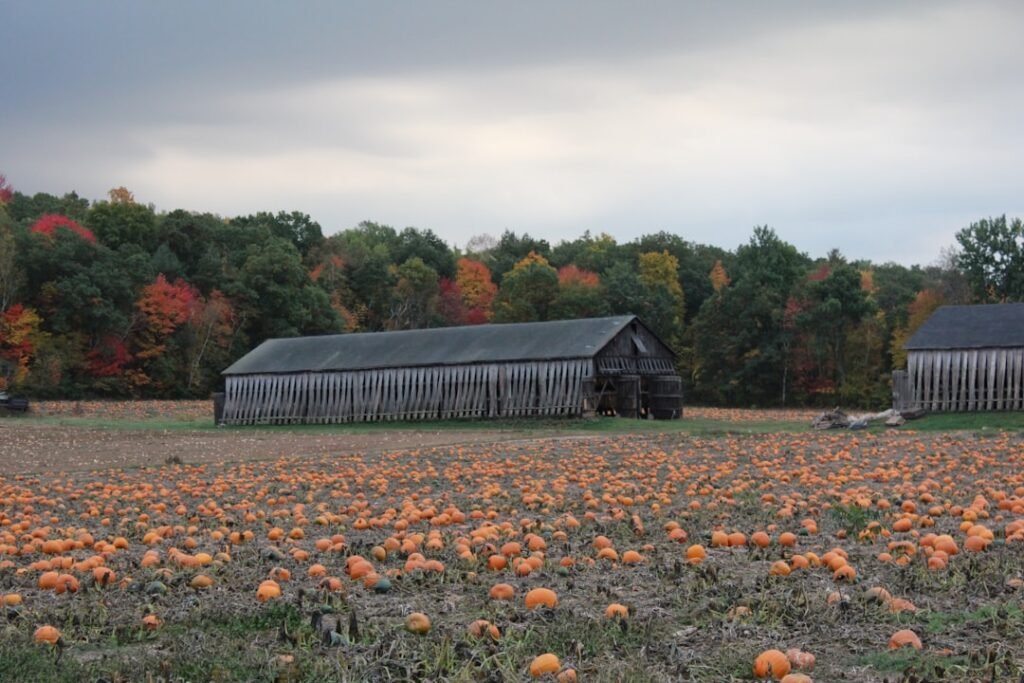
There is something about October in Connecticut that makes me want to cook everything. The air shifts, the farm stands pile high with squash and apples and sweet potatoes, and suddenly the crockpot feels like an old friend again. If you have been to any of Connecticut’s farm stands or picked-your-own orchards in the fall, you already know — this state does autumn produce beautifully. And if you have been trying to feed a large, hungry family on a budget while keeping things nutritious, this season is honestly one of the best opportunities all year to do exactly that.
With four growing boys in this house, fall means bigger appetites, busier schedules, and a real need for meals that come together quickly without sacrificing the good stuff. The Connecticut fall harvest gives me a lineup of produce that is naturally affordable, incredibly nutritious, and — with a little planning — easy to work into the weekly rotation in ways the kids will actually eat. Let me walk you through what is in season, why it matters nutritionally, and how to actually use it at your dinner table without spending your whole Sunday in the kitchen.
What Is Actually in Season in Connecticut This Fall
Connecticut’s fall growing season is more generous than most people realize. While it is easy to think of just apples and pumpkins, the reality is that fall is one of the most vegetable-rich seasons in our state. According to the Connecticut Grown program, the following produce is typically at peak availability from September through November in Connecticut:
- Winter squash (butternut, acorn, delicata, spaghetti)
- Apples (dozens of varieties at Connecticut orchards)
- Sweet potatoes
- Kale and collard greens
- Brussels sprouts
- Beets
- Carrots
- Parsnips
- Pears
- Cauliflower and broccoli
- Cabbage
- Turnips
When I walk into a local farm stand and see this list laid out in bins, my brain goes straight to meal planning mode. Almost everything on this list is affordable, shelf-stable for days, and deeply nutritious. That combination is exactly what a busy homeschool mom with a family of six needs.
Why Fall Produce Is a Nutritional Win for Your Family
I am not going to overwhelm you with nutrition science, but I do want you to understand why leaning into seasonal fall produce is one of the best things you can do for your family’s health right now. The deep orange and yellow vegetables — butternut squash, sweet potatoes, carrots — are loaded with beta-carotene, which the body converts to vitamin A. Vitamin A supports immune function, vision, and healthy skin, and going into cold and flu season, that matters. The Academy of Nutrition and Dietetics recommends getting vitamin A from whole food sources like these rather than supplements whenever possible.
Dark leafy greens like kale and collards are rich in vitamin K, vitamin C, calcium, and iron — nutrients that are especially important for growing boys who are active all day. Cruciferous vegetables like broccoli, cauliflower, and Brussels sprouts offer fiber and antioxidants that support gut health and overall immunity. And apples and pears bring natural sweetness, fiber, and a satisfying crunch that actually makes my boys reach for them without complaint.
When produce is in season locally, it is also more nutrient-dense because it has not been sitting in a truck for a week. Buying local Connecticut-grown produce in the fall means you are getting food at its nutritional peak. That is a gift your family’s bodies will thank you for, even if your kids do not know it yet.
How I Actually Work Fall Produce Into the Weekly Meal Plan
Here is where I get practical with you, because knowing what is in season does not automatically mean it ends up on your table. My method is simple: I pick three or four fall vegetables each week and find two or three ways to use them. This reduces waste, keeps grocery costs down, and means I am not reinventing the wheel every single night.
Let me give you a real example. If I buy a big bag of sweet potatoes at the farm stand on Saturday, here is how they might show up across the week:
- Monday dinner: Roasted sweet potato wedges alongside baked chicken thighs — my 6-year-old calls these “orange fries” and will eat half the pan.
- Wednesday lunch: Leftover sweet potatoes mashed into a quick soup with chicken broth, a little garlic, and a splash of coconut milk.
- Friday breakfast: Shredded sweet potato mixed into a simple egg scramble with onions and whatever vegetables need to be used up.
One ingredient, three meals, very little effort. That is the kind of efficiency that keeps a homeschool kitchen running smoothly. If you want more ideas for stretching ingredients across the week, I have shared some of those strategies in my post on budget meal planning for large families — it goes deeper into the framework I use each week.
The Squash That Will Change Your Fall Dinners
If I had to pick one fall vegetable that delivers the most value for a big family in terms of nutrition, versatility, and cost — it is butternut squash. A large butternut squash from a Connecticut farm stand often costs just a dollar or two and can feed our family of six in multiple ways. Here is why it earns a permanent spot in my fall rotation:
- Roast it in cubes with olive oil, salt, and cinnamon — it becomes a naturally sweet side dish that even picky eaters love.
- Blend it into a creamy soup with vegetable broth, garlic, and ginger — one pot, minimal dishes, deeply satisfying on a cold Connecticut evening.
- Stir it into pasta sauce — puréed butternut squash disappears into a tomato or cream-based sauce and adds fiber, vitamin A, and natural sweetness without anyone noticing.
- Use it as a base for mac and cheese — mix butternut squash purée into your cheese sauce and the kids will never know the difference. My 10-year-old inspects his food carefully and he has never caught on.
Spaghetti squash is another fall favorite in our house. When I roast it and scrape out the strands, my 15-year-old is the one who uses it as a base for meat sauce on nights when he is watching his carbs for sports. It is a simple swap that makes him feel like he has got some control over his plate, which matters more and more as these boys get older and more opinionated about food.
Getting Kids Involved With Fall Produce Prep
One of the best parts about cooking with fall vegetables is that many of them are built for hands-on prep — and that makes them perfect for getting the kids involved. We treat cooking as part of our homeschool curriculum, so fall harvest season is practically a whole unit of study in this house.
Here is how different ages can help with fall produce:
- My 6-year-old can wash vegetables, hand me potatoes one at a time, and help stir soups on the stovetop with supervision. He loves pressing the blender button when we make butternut squash soup.
- My 10-year-old can peel carrots, measure spices, and help arrange vegetables on a baking sheet for roasting. He has gotten good enough at seasoning that I sometimes let him do it entirely on his own.
- My 12-year-old can manage the whole roasting process — cutting softer vegetables with a proper chef’s knife (supervised), seasoning, and monitoring the oven.
- My 15-year-old can follow a soup recipe independently, manage timing for multiple dishes, and is starting to understand how to balance a plate nutritionally on his own.
There is something deeply meaningful about cooking together during this season in particular. I think about Ecclesiastes — there is a time for everything, and harvest time is one of those moments in the year when I feel most grateful for the abundance God provides, even through something as simple as a farm stand bin full of acorn squash. When we cook these meals together as a family, it is not just about the food. It is about the time, the teaching, and the gratitude we build into the everyday.
Quick Tips for Shopping Connecticut Farm Stands in the Fall
If you are newer to shopping local in Connecticut, here are a few practical tips that have helped me get the most out of fall farm stand shopping with a big family budget:
- Go later in the week for deals. Some Connecticut farm stands discount produce toward the end of the week to clear inventory before restocking. A Friday afternoon trip can mean excellent savings on squash and root vegetables.
- Buy in bulk when prices are low and roast ahead. Sweet potatoes and carrots keep well, and roasted squash can be batch-cooked and frozen for meals through December.
- Ask what is local versus trucked in. Farm stand employees will tell you. Prioritize what was grown in Connecticut for the freshest, most nutrient-dense options.
- Bring the kids when you can. Letting them pick out one vegetable they want to try that week builds curiosity and buy-in at the dinner table. My 6-year-old once chose a purple turnip just because of the color, and he ate every bite.
- Buy ugly produce without hesitation. Misshapen carrots and irregular squash taste exactly the same and often cost less.
A Simple Fall Meal Your Family Can Make This Week
To make all of this feel actionable right now, here is a simple weeknight dinner that pulls from Connecticut’s fall harvest and comes together in about 40 minutes. I call it a Sheet Pan Fall Harvest Dinner. On one pan: cubed butternut squash, halved Brussels sprouts, and sliced sweet potatoes, all tossed in olive oil, garlic powder, salt, and a pinch of smoked paprika. Roast at 400°F for 30 to 35 minutes. Serve alongside baked chicken thighs or sausage from a local Connecticut farm, and you have a dinner that is colorful, nutritious, and — most importantly — something my boys will actually clear their plates for.
The whole thing costs our family of six well under fifteen dollars when I am buying seasonal produce locally. That kind of meal is what this season is all about — good food, grown nearby, prepared simply, and eaten together around a table that is never quite quiet but always full of something worth being grateful for.
Fall in Connecticut is a gift. The harvest is real, the produce is outstanding, and your family’s dinner table is the perfect place to celebrate it. Start with one farm stand trip this week, grab a butternut squash and a bag of sweet potatoes, and see where the season takes you. Your family will eat better for it — and so will your grocery budget.
