
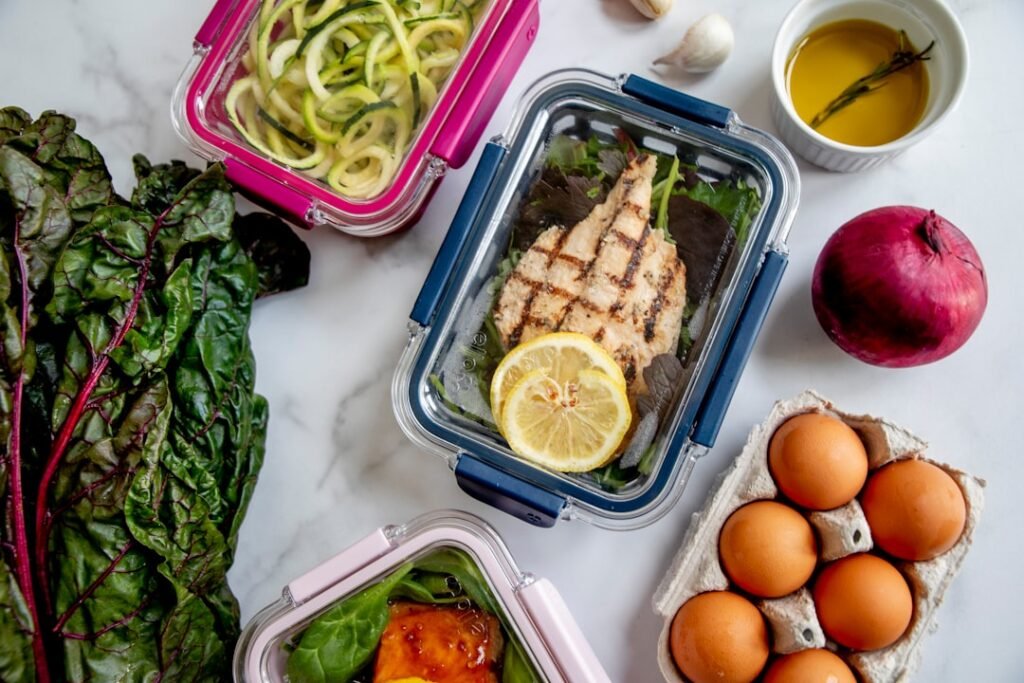
There are nights in this house when dinner feels completely impossible. My 15-year-old has a late practice. My 12-year-old needs help finishing a history project. My 10-year-old is melting down over math, and my 6-year-old has decided that this is the perfect moment to empty every single Lego bin onto the kitchen floor. Meanwhile, my husband is walking through the door asking what smells good — and I haven’t even opened the refrigerator yet.
If you’ve ever stood in your kitchen at 5:30 PM completely depleted, staring at a pound of chicken you forgot to thaw, you already understand why freezer meals changed my life. Not just made it easier — genuinely changed it. When I open my freezer and see a stack of labeled containers ready to go, I feel something close to what I imagine a well-rested person feels like. That is a gift I want to pass on to every busy Connecticut mom reading this right now.
This isn’t about spending an entire Saturday in the kitchen doing an elaborate meal prep marathon. This is about being strategic, cooking smart, and building a freezer stash one or two meals at a time until you have a cushion that carries your family through the hardest weeks. Let me show you exactly how I do it.
Why Freezer Meals Are A Game Changer For Large Families
Feeding a family of six is not the same as feeding a family of four. The portions are bigger, the budget pressure is real, and the margin for error is slim. On a night when I don’t have a plan, we end up eating something convenient and forgettable — or worse, spending money at a drive-through that we absolutely did not budget for.
Freezer meals solve three problems at once. They save money because you’re cooking in bulk and buying ingredients at volume. They save time because the hard work is already done on a day when you had a few extra hours. And they reduce the daily mental load of figuring out what’s for dinner — which, for a homeschooling mom running a household, is genuinely significant.
According to the Academy of Nutrition and Dietetics, cooking at home consistently leads to better nutritional outcomes for families because you control the ingredients, portions, and sodium levels. Freezer meals are just home cooking that you prepared ahead of time. There’s nothing complicated about the concept — it’s just planning with intention.
What Freezes Well And What Doesn’t
Before you start filling bags and containers, it helps to know what actually survives the freezer and what turns into a disappointment. I’ve learned this the hard way so you don’t have to.
Foods that freeze beautifully:
- Soups, stews, and chilis — these are my absolute backbone. A big pot of turkey chili or white bean soup freezes perfectly and feeds my whole crew.
- Marinated raw proteins — chicken thighs, ground turkey, pork tenderloin. You do the prep work now, freeze it, and thaw it into something great later.
- Cooked ground meat — seasoned and browned ground beef or turkey is incredibly versatile once thawed.
- Casseroles — especially those assembled but not yet baked. They go straight from freezer to oven on a busy night.
- Meatballs and turkey meatloaf — both freeze excellently and reheat without losing texture.
- Rice and grain dishes — brown rice, farro, and quinoa all freeze well in portions.
- Muffins and quick breads — great for breakfasts and snacks throughout the week.
Foods that don’t freeze well:
- Dishes with raw potatoes — they turn grainy and unpleasant when thawed.
- Cream-based sauces — they tend to separate, though you can often add the cream fresh when reheating.
- Pasta that’s already been mixed into a saucy dish — it gets mushy. Freeze the sauce separately and cook fresh pasta the night you serve it.
- Anything with fresh cucumbers, lettuce, or watery raw vegetables.
My Favorite Freezer Meal Formula For A Family Of Six
I don’t follow an elaborate system. I follow a formula that works every single time. When I’m cooking on a Sunday afternoon or during a slower school morning, I think in threes. Make one meal for tonight. Make one meal to refrigerate for mid-week. Make one meal to freeze for a harder week.
That’s it. No all-day marathon. Just cooking with intention and scaling up a little.
Here’s an example. If I’m making my turkey and white bean chili on Sunday — which my boys ask for constantly — I’ll make a triple batch instead of a single one. One pot goes on the table Sunday night. One goes into the fridge for Tuesday or Wednesday. One goes into the freezer in a labeled gallon zip-lock bag or a large freezer-safe container. Three nights of dinner for the effort of one cooking session.
The same logic applies to my chicken thigh marinade. If I’m marinating chicken for sheet pan dinners, I’ll prep three separate bags at once. One goes in the fridge to cook tonight, and the other two go directly into the freezer, marinating as they freeze. When I pull them out to thaw, the chicken is actually marinating the whole time it defrosts. That’s a flavor bonus I’ll take every single time.
If you’re building out your approach to batch cooking on the weekend, freezer meals are the natural next step. You’re already doing the work — you’re just sending some of it forward in time.
My Go-To Freezer Meal Recipes For Hungry Boys
My kids are not subtle about their preferences. They want food that tastes good, fills them up, and doesn’t look like it came from a health magazine. These are the freezer meals that consistently get eaten without complaint in our house.
Turkey and White Bean Chili: Browned ground turkey, two cans of white beans, diced tomatoes, chicken broth, cumin, chili powder, and garlic. Simmer for 30 minutes, cool completely, and freeze flat in bags. Reheat on the stovetop or in the slow cooker straight from frozen on low for 6 hours.
Sheet Pan Chicken Thigh Packets: Chicken thighs marinated in olive oil, lemon, garlic, and herbs. Freeze raw in the marinade. Thaw overnight in the fridge, then roast at 400 degrees for 35-40 minutes. Pair with whatever roasted vegetable I have on hand.
Baked Meatballs: A mixture of ground beef and ground turkey, breadcrumbs, egg, garlic, and Italian seasoning. Bake a full sheet pan at once, cool completely, and freeze individually on a pan before transferring to a bag. Pull out however many you need for pasta night, a sub, or a quick protein addition to dinner.
Black Bean and Sweet Potato Enchiladas: Assembled and wrapped in foil before baking. My boys didn’t even notice the black beans the first time I made these, which I considered a small personal victory and a blessing from above. These freeze before baking and go straight from freezer to oven at 375 degrees, covered with foil, for about 45-50 minutes.
Slow Cooker Pulled Pork: Season a pork shoulder generously, cook it low and slow until it shreds, then cool and freeze in meal-sized portions. Reheat in a saucepan with a splash of broth. Goes on whole grain rolls, over brown rice, or into tacos without any fuss.
How To Label And Store Your Freezer Meals So You Actually Use Them
This part matters more than most people realize. I’ve had meals sit in the back of my freezer for four months because I labeled the container with just “chicken thing” and then forgot what that meant. Do not do that to yourself.
Every freezer meal in my house gets a label that includes three things: the name of the dish, the date it was made, and the reheating instructions. I write directly on the freezer bag with a permanent marker or use masking tape on containers. It takes thirty seconds and it saves so much confusion.
A few practical storage tips I’ve learned:
- Cool food completely before freezing. Putting warm food in the freezer raises the temperature and affects texture and safety.
- Freeze soups and liquids in gallon zip-lock bags laid flat. They stack much more efficiently than round containers and thaw faster.
- For casseroles, line your baking dish with foil before assembling. Once frozen solid, lift the foil out and wrap the whole thing. You get your dish back and the casserole holds its shape.
- Most cooked freezer meals keep well for 3 months. Raw marinated proteins are best used within 2-3 months.
- Rotate your stock. First in, first out. Keep a running list on a notepad on your freezer door so you know what you have.
Getting The Kids Involved In Freezer Meal Prep
One of the things I love most about a freezer prep session is that it’s genuinely a family activity, not just me disappearing into the kitchen for three hours. My boys have different jobs depending on their ages, and they’ve all started to feel proud of the contribution they make.
My 6-year-old is in charge of stirring, tearing herbs, and handing me ingredients. He takes this responsibility very seriously. My 10-year-old can brown ground meat on the stove with supervision and mix meatball ingredients like a pro. My 12-year-old has started learning to portion and label meals, which is a real practical life skill. And my 15-year-old can handle entire recipes on his own at this point — I’ll set him up with a chili recipe and walk away for twenty minutes.
These are the afternoons I treasure. When we’re all in the kitchen together, doing real work that matters, I’m reminded that food is so much more than fuel. It’s how we take care of each other. It’s how I teach my boys to be capable, self-sufficient people who can one day take care of their own families. That’s something I think about every time we pull a freezer meal out on a hard night and sit down together at the table — this meal was made with intention, on a day when we had the time and the energy to give it.
If you want to build on this with your own kids, I walk through age-appropriate kitchen skills in a lot more detail in my post on teaching kids to cook by age — it pairs really naturally with a freezer prep routine.
Building Your First Month Of Freezer Meals Without Overwhelming Yourself
My honest advice is to start with five meals. Not twenty. Not thirty. Five solid meals that your family already loves, doubled or tripled to send some portions to the freezer. Do that for four weekends in a row and you’ll have a rotation of 15-20 meals without ever feeling like you ran a catering operation.
Choose meals that share ingredients where possible. If you’re already buying ground turkey for chili, make the meatballs the same weekend. If you’re already buying pork, make two batches — one pulled pork and one marinated tenderloin. Buying in bulk and cooking in bulk lowers your per-meal cost significantly, which matters when you’re feeding six people every single night.
The USDA’s food and nutrition resources offer great guidance on safe food storage temperatures and timelines if you want to make sure you’re handling everything correctly from a food safety standpoint — worth a quick read if you’re new to freezer cooking.
Start this weekend. Pick one recipe you already know by heart. Make double. Label two portions and put them in the freezer. That’s your beginning. Next week, do it again with a different recipe. Before you know it, you’ll open your freezer on a Tuesday night when everything has gone sideways, pull out something you made with love on a Sunday afternoon, and sit down to a real dinner with your family — no drive-through required.
That moment is worth every bit of the prep. I promise you that.
