
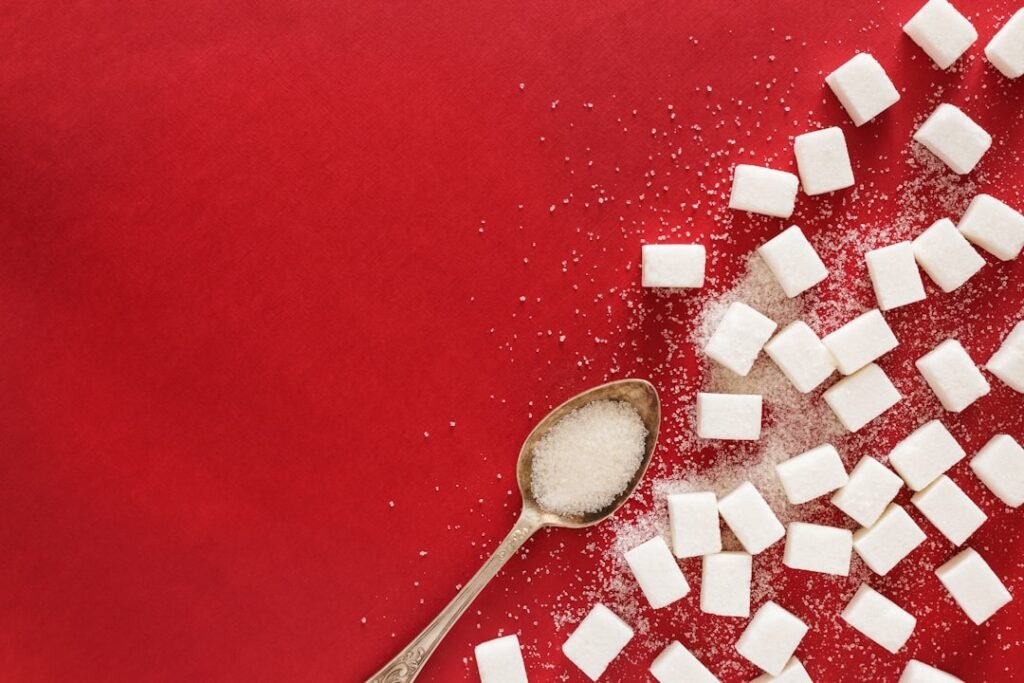
If I told you that my boys used to pour sugar on their already-sweetened cereal, you’d believe me. Four boys, a busy homeschool schedule, and a pantry that had slowly filled up with things I wasn’t proud of — that was us a few years ago. The wake-up call wasn’t dramatic. It was just a gradual, quiet realization that the way we were eating wasn’t serving us the way I wanted it to. And sugar was a big part of that.
Here’s what I’ve learned the hard way: you cannot go cold turkey with kids and sugar. I tried it. My 10-year-old at the time looked at me like I had personally canceled Christmas. There were complaints, negotiations, and one very tense snack time. What actually worked — and what I’m sharing with you today — is a slow, steady approach that made real changes without turning every meal into a battle.
This isn’t about being perfect. It’s about being intentional. And if you’re a Connecticut mom trying to do right by your family’s health without losing your mind or your kids’ trust, this post is for you.
Why Reducing Sugar Matters More Than You Might Think
Most of us know too much sugar isn’t great, but it’s worth understanding why — especially when it comes to kids. According to the American Heart Association, children between the ages of 2 and 18 should consume less than 25 grams of added sugar per day. That’s about 6 teaspoons. A single flavored yogurt cup can have 15–20 grams. One sports drink can wipe out an entire day’s allowance in a single bottle.
Excess sugar in kids’ diets has been linked to energy crashes, difficulty concentrating, mood swings, and long-term health issues like tooth decay and increased risk of metabolic problems. For my household — where four boys need to sit down and actually focus on their schoolwork — those afternoon energy crashes were a real problem. Once I started making swaps, the difference in how they felt and focused was noticeable within just a couple of weeks.
I’m not a dietitian, and I always encourage you to talk to your child’s pediatrician if you have specific concerns. But as a mom who’s been in the thick of it, I can tell you that small, consistent changes add up to something big over time.
Start With What They’re Drinking
Drinks are where most hidden sugar hides in a family’s daily routine, and they’re also the easiest place to start making changes — because swaps are simple and kids barely notice if you do it gradually.
Here’s what worked for us:
- Dilute juice slowly. If your kids drink apple juice, orange juice, or any fruit juice regularly, start mixing it — three parts juice to one part water. After a week or two, go half and half. Then eventually phase it out entirely in favor of water with a splash of 100% juice for flavor. My 6-year-old didn’t even blink at this one.
- Ditch the flavored milk over time. Chocolate and strawberry milk are beloved in this house, but the added sugar adds up fast. We now do plain whole milk on most days and treat the flavored kind as an occasional thing rather than a daily default.
- Swap sports drinks for homemade electrolyte water. My older boys play outside constantly and used to reach for sports drinks after activity. Now I mix water with a pinch of sea salt, a small squeeze of fresh lemon or orange, and sometimes a tiny drizzle of honey. It works just as well and has a fraction of the sugar.
- Make water interesting. A big pitcher of water with cucumber slices, fresh mint, or berries in the fridge gets grabbed more often than you’d think. My 15-year-old actually started requesting it.
Rethink Breakfast Without a Fight
Breakfast is the second biggest sugar landmine for most families. Sugary cereals, flavored instant oatmeal, toaster pastries, flavored yogurts — these are all marketed as breakfast foods but often contain more sugar than a small dessert. The tricky part is that kids are attached to them by routine and taste.
The swap approach that worked for us was not replacing everything at once. Here’s what I did instead:
- Replaced one sugary cereal with a whole grain option, but let them add a small drizzle of honey or a handful of berries to keep it interesting.
- Switched from flavored instant oatmeal (which is loaded with sugar) to plain rolled oats that we flavor ourselves with cinnamon, a tiny bit of maple syrup, and fresh or frozen fruit. The total sugar is a fraction of the packets, and my boys think it tastes better.
- Swapped flavored yogurt for plain whole milk Greek yogurt with a spoonful of fruit jam or honey stirred in. Once they got used to controlling the sweetness themselves, they actually preferred it — especially my 12-year-old who loves to customize his bowl.
Eggs have also become a morning staple in our house. They’re filling, versatile, and have zero added sugar. A scrambled egg with a piece of whole grain toast keeps my kids full and focused far longer than a bowl of sugary cereal ever did. If you want to build more protein into your morning routine, that’s the place to start.
Read Labels Like It’s Your Job
One of the best things I ever did — both for myself and as a homeschool lesson — was teach my boys to read nutrition labels. We turned it into a game at the grocery store. Who can find the cereal with the least added sugar? Which pasta sauce has no added sugar at all?
A few things I look for now when I’m shopping:
- Added sugars vs. total sugars. The nutrition label now lists these separately, which makes it much easier to see what’s naturally occurring (like in fruit) versus what’s been added during processing.
- Sugar aliases. Sugar hides under at least 60 different names on ingredient lists — high fructose corn syrup, cane juice, dextrose, maltose, and barley malt are just a few. If I see multiple forms of sugar in the top five ingredients, I put it back.
- Condiments and sauces. Ketchup, barbecue sauce, bottled salad dressings, teriyaki sauce — these are sneaky sugar sources that add up quickly, especially when you have boys who drown their food in condiments. I now make a simple homemade barbecue sauce and a basic vinaigrette that take about five minutes and taste better anyway.
The FDA’s updated Nutrition Facts label has made it genuinely easier to spot added sugars at a glance. Worth familiarizing yourself with if you haven’t already.
Healthy Snack Swaps That Don’t Feel Like a Punishment
Snacks are where I’ve had the most success making painless sugar swaps, because the alternatives are genuinely delicious and my boys don’t feel like they’re missing out. We’ve talked about filling after-school snacks before, but here’s how sugar reduction specifically plays into our snack routine:
- Swap flavored granola bars (often 12+ grams of added sugar) for a handful of nuts and a piece of fruit.
- Replace fruit snacks and gummies with actual fruit — fresh, frozen, or even freeze-dried with no added sugar.
- Make your own trail mix using plain nuts, seeds, unsweetened coconut flakes, and a small handful of dark chocolate chips. It feels like a treat but it’s genuinely nutritious.
- Swap flavored rice cakes or sugary crackers for plain whole grain crackers with nut butter or cheese.
- For something sweet after school, a smoothie made with frozen fruit, plain Greek yogurt, and a splash of milk hits that sweet craving with natural sugars and actual nutrition behind it. A good smoothie guide can make this a weekly habit that kids actually look forward to.
Dessert Doesn’t Have to Disappear
I want to be clear about something: we still eat dessert in this house. I believe food is one of God’s good gifts, meant to be enjoyed, and I never want my boys to grow up with an unhealthy relationship with sweets. The goal isn’t to eliminate sugar entirely — it’s to make it intentional rather than constant.
What’s changed for us is that dessert is a real treat we look forward to, not the automatic ending to every meal. And when I do bake, I’ve learned to reduce the sugar in most recipes by 25–30% without anyone noticing. Most baked goods have more sugar than they actually need. A batch of muffins with a half cup of sugar instead of three-quarters is still sweet enough and much better for little bodies.
Other dessert swaps we love:
- Frozen banana “nice cream” — blended frozen bananas with a spoonful of peanut butter. My boys love this on a summer evening.
- Dark chocolate (70% or higher) as an occasional treat instead of milk chocolate candy bars.
- Homemade oat-based cookies sweetened mostly with ripe banana and a little honey rather than white sugar.
- Sliced fruit with a small dollop of whipped cream as a light, naturally sweet finish to dinner.
Getting Your Kids On Board (Without a Power Struggle)
The most important thing I’ve learned in this whole process is that kids need to feel included, not controlled. When I started making changes, I didn’t announce a family sugar detox. I just quietly started swapping things one at a time and explaining why — not in a lecturing way, but in a conversational, curious way.
I’d say things like, “Hey, I found a granola bar with way less sugar and it actually tastes really good — want to try it?” or “I noticed we’ve been having a lot of sugary stuff lately. Let’s try something new this week.” Framing it as an experiment rather than a restriction made a world of difference.
My older boys, especially my 15-year-old and my 12-year-old, responded really well once they understood the why. Teenagers especially respond to logic and respect — explain the science, give them some choice in the matter, and they often surprise you. My 15-year-old now voluntarily chooses water over soda most of the time, and that happened gradually, not because of a rule.
My younger two needed more creativity — fun presentations, colorful fruit, names for snacks (“power mix” instead of “trail mix”) — but they came around too. Small wins every single day.
Progress Over Perfection, Always
Our family hasn’t eliminated sugar. We still have birthday cake, Christmas cookies, and the occasional fast food stop when life is genuinely crazy. But the baseline of how we eat day to day has shifted significantly, and my boys’ health, energy, and focus have improved alongside it.
You don’t have to overhaul everything at once. Pick one area — drinks, breakfast, snacks — and start there. Give it two weeks before you move on to the next change. Build on your wins. Celebrate when your kids choose the fruit over the gummy bears without being asked — because that moment does come, and it is worth celebrating.
Feeding your family well is an act of love and stewardship. You don’t have to be perfect at it. You just have to keep showing up at that table with intention, and that matters more than any single ingredient on a label.
