
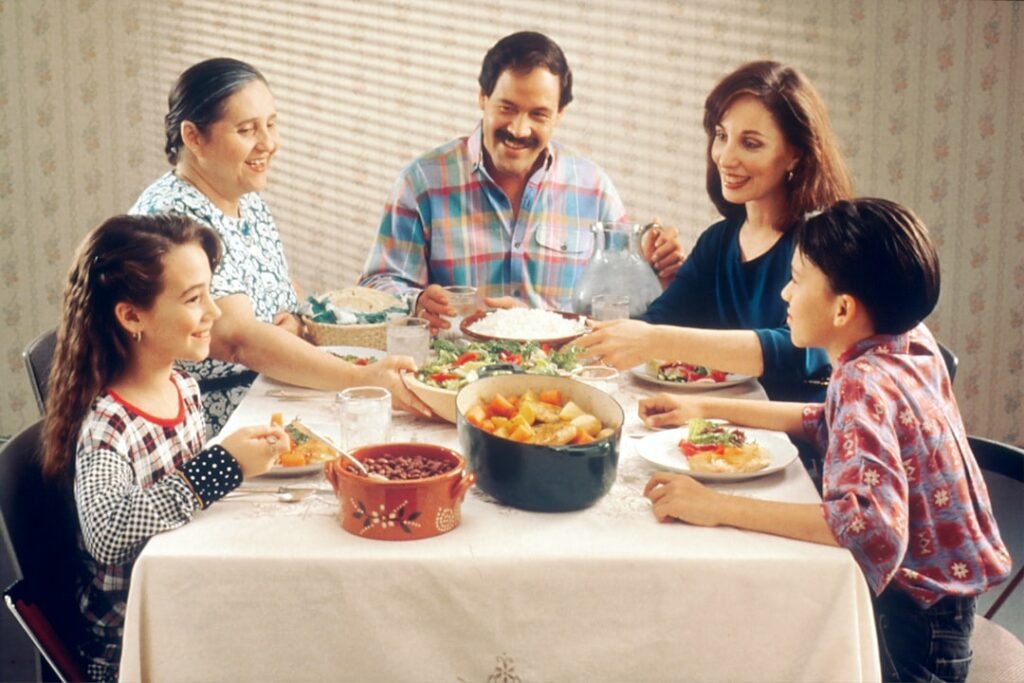
If you have a house full of hungry boys like I do, beef is one of those proteins that just makes sense. It is filling, it is satisfying, and when my crew comes in from a long day of homeschool projects, outdoor time, and whatever chaos the afternoon brought, a hearty beef dinner is the kind of thing that actually gets everyone to the table without complaints. The trick is making beef work for your family in a way that is nutritious, not heavy — and affordable enough that you are not blowing your grocery budget every week.
I want to be honest with you: I spent years thinking beef was something we should eat less of because it felt indulgent. But once I started paying attention to which cuts to buy, how to pair beef with vegetables and whole grains, and how to stretch it across more than one meal, beef became one of my most reliable tools for feeding a family of six well without stress. This post is everything I have learned about cooking healthy family dinners with beef — from cut selection to cooking methods to real recipes my boys actually eat.
Why Beef Still Has A Place In A Healthy Family Kitchen
Beef gets a bad reputation, but the truth is more nuanced than the headlines suggest. Lean cuts of beef are a genuinely excellent source of complete protein, iron, zinc, and B vitamins — all nutrients that growing kids and active families need. The American Society for Nutrition consistently highlights that high-quality animal protein plays an important role in muscle development and overall growth, particularly for children and teenagers.
My 15-year-old is at the stage where he seems to be growing an inch every other week, and protein is not optional in this house. My 12-year-old is active and athletic. Even my 6-year-old, who is my pickiest eater, will finish his plate when there is seasoned beef involved. The key is choosing the right cuts and cooking them in a way that does not load the meal down with excess saturated fat.
Lean cuts like 90/10 or 93/7 ground beef, sirloin, flank steak, and eye of round give you all the nutritional benefits of beef without the heaviness of fattier options. I lean on ground beef most often in this house because it is versatile, affordable, and my boys have never once turned it down.
The Cuts I Actually Buy For A Family Of Six On A Budget
Let me save you some time and just tell you what works in my kitchen. I am not buying prime rib on a Tuesday night. Here is what I actually reach for at the store:
- 93/7 lean ground beef — This is my workhorse. I buy it in bulk when it is on sale and freeze in one-pound portions. It works in tacos, pasta sauce, stuffed peppers, stir-fry, and more.
- Beef sirloin — Affordable compared to premium cuts, great for stir-fries and sheet pan dinners. It cooks quickly and takes seasoning well.
- Flank steak — Excellent when marinated overnight and sliced thin against the grain. My older boys love this one in fajitas.
- Chuck roast — Perfect for the slow cooker. A less expensive cut that becomes incredibly tender with low and slow cooking. This is Sunday dinner territory in our house.
- Beef stew meat — Usually pre-cut chuck, great for soups and stews that stretch into multiple meals.
If you are shopping at Stop and Shop, Big Y, or Aldi here in Connecticut, you can typically find these cuts at reasonable prices — especially if you watch the weekly sales and buy in bulk. Pair that with some batch cooking on the weekend and you are ahead of the game. Speaking of which, if you have not yet built a batch cooking habit, this post on weekend batch cooking will walk you through exactly how I do it with a house full of boys.
How I Make Beef Healthier Without Losing My Family’s Approval
This is where the real strategy lives. Because it is one thing to buy lean ground beef. It is another to cook it in a way that actually nourishes your family without tasting like you are trying too hard to be healthy.
Here are the approaches I come back to again and again:
- Drain and rinse ground beef after browning. This one step removes a significant amount of excess fat. I brown the beef, drain it in a colander, and then run warm water over it briefly. My meals feel lighter without sacrificing flavor.
- Bulk it up with vegetables. I sneak diced mushrooms, zucchini, spinach, and shredded carrots into ground beef dishes regularly. My 6-year-old has never once identified a mushroom in his taco meat. The vegetables add volume, fiber, and nutrients while stretching the beef further.
- Pair beef with fiber-rich sides. Brown rice, roasted sweet potatoes, whole grain pasta, or a big green salad balances the meal and keeps everyone fuller longer. A beef dish sitting next to quality carbohydrates and vegetables is a genuinely balanced plate.
- Use bold seasoning instead of heavy sauces. Cumin, smoked paprika, garlic, chili powder, fresh herbs — these add enormous flavor without adding sugar or sodium from bottled sauces. I make my own taco seasoning blend and keep it in a jar in the pantry.
- Marinate tougher cuts. Flank steak and sirloin benefit from acid-based marinades — think lime juice, apple cider vinegar, or even plain yogurt — which tenderize the meat without adding fat. Even 30 minutes makes a difference.
Five Beef Dinners That Work Every Single Week In My House
I want to give you practical meals, not just concepts. These are the beef dinners on regular rotation in our home — tested and approved by four hungry boys and one husband who will absolutely tell me if something is not good.
1. Sheet Pan Sirloin and Roasted Vegetables — Season sirloin strips with garlic, olive oil, rosemary, salt, and pepper. Toss with broccoli, bell peppers, and red onion. Roast at 425°F for 20 to 25 minutes. Serve over brown rice. This is a 30-minute dinner that feels like real effort without being real effort.
2. Lean Beef Taco Bowls — Brown 93/7 ground beef with homemade taco seasoning, drain and rinse, then serve over cilantro-lime brown rice with black beans, shredded cabbage, salsa, and a small spoonful of plain Greek yogurt in place of sour cream. My boys build their own bowls, which means everyone eats what they want and there is almost never a complaint.
3. Slow Cooker Beef and Vegetable Soup — This is my cold Connecticut winter lifesaver. Chuck roast or stew beef, diced tomatoes, low-sodium beef broth, carrots, celery, potatoes, onion, garlic, and thyme. Set it in the morning and dinner is done by 5:00 PM. If you are leaning on your slow cooker more often — and I hope you are — this slow cooker guide for families has more strategies that will save your evenings.
4. Stuffed Bell Peppers With Lean Ground Beef and Brown Rice — Mix browned and drained ground beef with cooked brown rice, diced tomatoes, garlic, and Italian seasoning. Fill halved bell peppers, top with a small sprinkle of part-skim mozzarella, and bake at 375°F for 30 minutes. This is one of those dinners that looks impressive but takes almost no skill. My 12-year-old now makes this on his own, which is a real win.
5. Beef and Broccoli Stir-Fry — Thinly sliced flank steak, marinated in low-sodium soy sauce, garlic, ginger, and a little sesame oil. Stir-fry with broccoli and serve over brown rice or cauliflower rice if you want to lighten things up further. My 15-year-old requests this one regularly, which is how I know it actually tastes good to a teenager and not just to me.
How To Stretch Beef Across More Than One Meal
One of the most practical things I do to keep our grocery budget manageable is treat beef as a foundation, not just a single-night protein. When I make a big batch of seasoned ground beef or slow cooker chuck, I plan from the start to use it two or three ways.
For example: A Sunday slow cooker chuck roast becomes Monday’s tacos with the shredded leftovers, and Tuesday’s beef and vegetable soup with whatever is left plus fresh broth and vegetables. That is three dinners from one piece of meat and one cooking session. With a family of six, that kind of planning makes a real difference — both financially and in terms of how much energy I spend cooking on weeknights.
The Beef. It’s What’s For Dinner resource from the USDA and Cattlemen’s Beef Board actually has solid guidance on lean cuts and portion sizes that I have found helpful when planning balanced meals with beef as the centerpiece.
Getting The Kids Involved In Beef Dinners
I am a firm believer that kids who help cook are kids who eat. It is a principle I live out every day as a homeschool mom, and beef dinners are actually great for getting the boys involved at every skill level.
My 6-year-old loves to pour the seasoning into the pan and stir — supervised, of course — and he takes so much pride in telling his dad that he helped make dinner. My 10-year-old can brown ground beef on his own with me nearby. My 12-year-old handles the stuffed peppers start to finish. My 15-year-old is learning how to slice flank steak properly against the grain, which is a real knife skill that will serve him for life.
These are not just cooking lessons. They are moments of connection. There is something about standing together at the stove, talking about the day while something smells good in the pan, that feels like a gift. I never take those moments for granted. Food is nourishment for the body, but it is also nourishment for the family. Gathering around the table over a meal we made together is one of the things I am most grateful for in this loud, messy, wonderful life.
A Few Quick Tips Before You Head To The Store
- Buy lean ground beef in bulk (3–5 pounds) and portion it into one-pound freezer bags when you get home. Label with the date and you will always have it ready to thaw.
- Look for sales on sirloin and flank steak at your local Connecticut grocery stores, especially around holidays when beef is frequently marked down.
- Keep a simple beef marinade in the back of your mind: olive oil, garlic, acid (lemon, lime, or vinegar), and your spice of choice. That formula works for almost any cut.
- Do not skip the vegetable pairings. Beef and vegetables together make a complete, satisfying meal. A plate that is half vegetables and half protein is always a better balance than beef alone.
- Lean cuts cooked to the proper temperature (145°F for whole cuts, 160°F for ground beef per USDA guidelines) are safe and far less greasy than people expect.
Feeding a hungry family of six on a real budget in Connecticut is not always easy, but it is always possible with the right approach. Beef — chosen wisely, cooked well, and paired with good vegetables and whole grains — is one of the most reliable proteins I have in my kitchen arsenal. I hope these ideas give you a starting point for getting more nutritious, satisfying beef dinners on your table without feeling overwhelmed. You have got this, mama. Now go make something good.
