
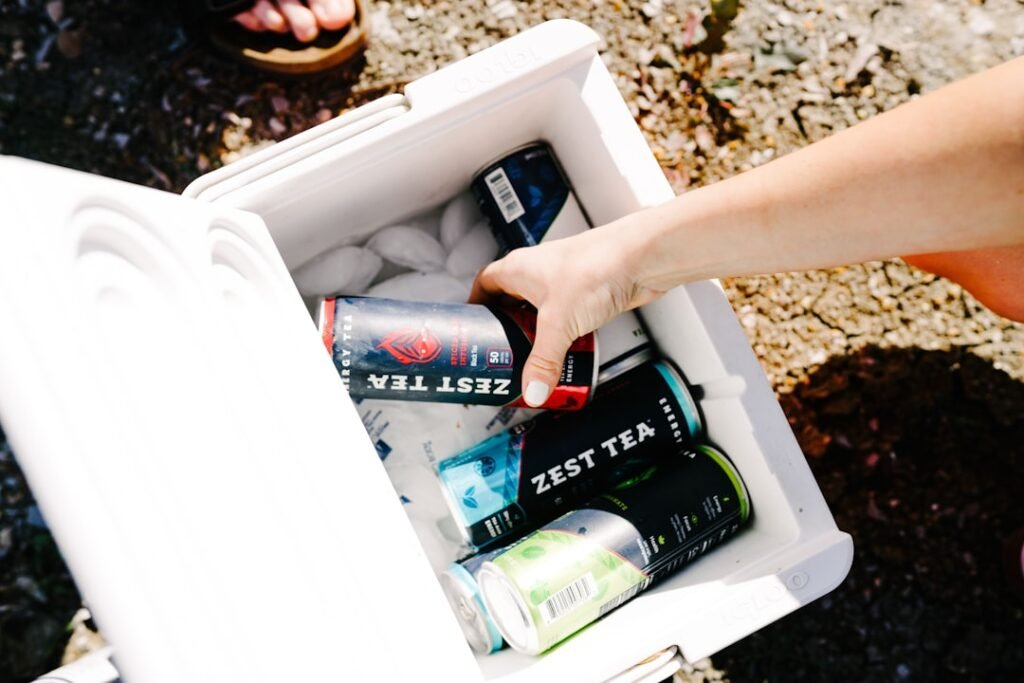
Summer in Connecticut is something special. Between the beach days at Hammonasset, hiking trips through Sleeping Giant, and long afternoons at the local park, we are outside almost every single day from June through August. And if you have hungry boys like mine, you already know what happens the moment you pull into a parking lot and someone spots a McDonald’s sign. The requests start before you even turn the engine off.
I learned pretty early on that the best defense against drive-through detours and overpriced concession stand nachos is a well-packed cooler. Not a sad cooler full of sad carrot sticks and warm water bottles. I mean a real, satisfying cooler full of food that my boys actually get excited about — food that keeps everyone full, fueled, and in a good mood through a long day outside.
Over the years I have figured out a system that works for our family of six, and I want to walk you through everything. From what to pack and how to keep it cold, to making it a smooth part of your morning routine without turning yourself into a short-order cook before 9 AM.
Why A Packed Cooler Is One Of The Best Investments You Can Make This Summer
I am not exaggerating when I say that a packed cooler has saved us hundreds of dollars every single summer. When you factor in six people buying food at a beach snack bar or stopping at a fast food restaurant, you are easily spending thirty to fifty dollars on one meal that leaves everyone either still hungry or feeling heavy and sluggish in the afternoon heat.
Beyond the budget piece, the nutrition gap between homemade cooler food and typical on-the-go food is significant. Most fast food and concession stand options are loaded with sodium, refined carbohydrates, and very little protein or fiber — which means energy crashes, irritable kids, and a long drive home with everyone complaining. When I pack the cooler right, my boys have steady energy all day, we skip the meltdowns, and I feel good about what went into their bodies.
And honestly? There is something I love about sitting in the shade at a picnic table, spreading out our food, and eating together as a family away from screens and schedules. That is one of my favorite things about summer. Food is always better when you slow down and share it.
The Foundation: Build Your Cooler Around Protein First
Here is the biggest mistake I see parents make with packed cooler food — they fill it with snacks instead of meals. Crackers, fruit pouches, granola bars. Those things have their place, but they are not going to keep five hungry males satisfied through a four-hour beach day. I always build our cooler around protein first, then add everything else around it.
Some of my go-to cooler proteins include:
- Hard-boiled eggs — easy to prep the night before, packed with protein and healthy fat, and every single one of my boys will eat them
- Grilled chicken strips — I season these simply and grill a big batch the evening before; they are delicious cold and hold up beautifully in the cooler
- Turkey or chicken wraps — I use whole grain tortillas, deli turkey or sliced leftover chicken, lettuce, and a smear of hummus or avocado
- String cheese and cubed cheddar — low-effort, high-protein, and universally loved by every age in my house
- Canned tuna or salmon packets — the no-drain pouches are perfect for a cooler; pair with whole grain crackers for a satisfying meal
- Chickpea or bean salads — I make a simple lemon-herb chickpea salad that packs beautifully and provides a ton of plant-based protein and fiber
When I anchor the cooler with real protein, everyone stays full longer and we avoid that mid-afternoon hunger spiral that leads to bad decisions at the ice cream stand. (We still get ice cream sometimes — we just do it on our terms, not out of desperation.)
Fruits And Vegetables That Actually Travel Well
Not all produce is cooler-friendly. I learned this the hard way after packing cut watermelon in a container that leaked all over everything, and bringing strawberries that turned to mush by noon. Over time I have figured out which fruits and vegetables hold up best and keep my family eating their colors all day long.
Vegetables that pack well: baby carrots, snap peas, cucumber spears, cherry tomatoes, celery sticks, broccoli florets, and bell pepper strips. These are all sturdy, crisp, and hold up beautifully in a cold cooler for hours.
Fruits that travel well: grapes (freeze them partially for a hot day bonus), apple slices with a squeeze of lemon to prevent browning, blueberries and raspberries in a small container, orange segments, and whole clementines which need zero prep.
I always pair vegetables with a dip — hummus, a small container of tzatziki, or even a simple yogurt-based ranch — because a dip makes everything more exciting, especially for my younger two. My 6-year-old who turns his nose up at raw peppers at home will eat an entire container of them at the beach if there is hummus involved. Context matters more than we think.
Smart Carbohydrates To Keep Energy Steady
Carbohydrates are not the enemy — but the type matters enormously, especially when you want your kids to have steady energy on a hot active day rather than a sugar spike and crash. I focus on whole grain and fiber-rich options that digest slowly and keep energy levels even.
- Whole grain wraps and pita bread — sturdy enough to pack and hold their shape without getting soggy if you wrap fillings correctly
- Whole grain crackers — look for ones with at least 3 grams of fiber per serving and minimal ingredients
- Homemade whole grain muffins or banana oat bars — I bake a batch on Sunday and these last all week for snacks and outings
- Cooked farro or quinoa salads — these travel incredibly well cold and make a filling base for a picnic-style grain bowl
- Popcorn — air-popped and lightly seasoned, this is a whole grain snack that packs easily in bags and satisfies the crunch craving
If you want more ideas for cooking with whole grains at home, I put together a full guide on making healthy whole grain dinners your family will actually finish that covers brown rice, farro, quinoa, and more — most of those leftovers translate beautifully into cooler-friendly lunch options.
How To Keep Everything Cold And Safe
Food safety matters year-round, but it matters especially in July and August in Connecticut when temperatures and humidity are both high. I follow a few simple rules that keep our cooler food safe from morning until we pack up and head home.
Use a quality cooler with real ice or ice packs. I use a combination of a large reusable ice pack on the bottom and a smaller one on top, with food sandwiched between. Frozen water bottles work beautifully too — they keep things cold and then you have cold water to drink as they melt.
Keep the cooler in the shade. This sounds obvious but I have seen people put their cooler in full sun on the beach. Keep it under an umbrella or in the shade of a tree whenever possible. A cooler in direct sun loses its cold temperature much faster.
According to the USDA food safety guidelines, perishable food should not sit at temperatures above 40°F for more than two hours — and in hot summer weather, that window shrinks to one hour. I always pack perishables last, keep the cooler lid closed as much as possible, and if we are going to be out all day I bring a small secondary bag with non-perishable snacks so the cooler stays shut longer.
Pack strategically. Put the items you will reach for first on top. Keep drinks in a separate cooler if you have one, because drink coolers get opened constantly and warm up faster.
Hydration Is Part Of The Cooler Too
My boys sweat a lot in the summer heat, especially on active days at the beach or hiking. I am very intentional about hydration because dehydration sneaks up on kids fast and it looks a lot like crankiness and fatigue before anyone even realizes they are thirsty.
I fill stainless steel water bottles for everyone the night before and put them in the freezer for a couple of hours — they are not frozen solid but they stay cold for hours. I also pack coconut water for natural electrolytes after swimming or hiking, and I sometimes make a big batch of infused water with cucumber and mint or lemon and strawberry that my kids think is special and fancy but is really just water with fruit in it.
What I do not pack are juice boxes, sports drinks, or sodas. That is a sugar load none of us need mid-day, and it genuinely does not hydrate as well as water does. The American Academy of Pediatrics recommends water as the primary hydration source for children during physical activity, and that is the standard I hold in our house — even on vacation days.
A Simple Cooler Packing System That Takes Less Than 20 Minutes
The reason most parents skip packing a cooler is because it feels like a big production on top of an already busy morning. I have streamlined this so much over the years that I can have our entire cooler packed and ready in under twenty minutes — often while my 15-year-old helps and my 12-year-old packs the snack bag.
Here is how I approach it the night before whenever possible:
- Hard-boil eggs and refrigerate them
- Prep and portion vegetables into containers
- Make wraps or sandwiches and wrap them tightly in parchment paper
- Fill and partially freeze water bottles
- Portion out any grain salads or chickpea dishes into individual containers
Morning of, I just load everything into the cooler, add the ice packs, and we are out the door. Getting my older boys involved in this process has been one of the best things I have done — it teaches them real food prep skills and gives them ownership over what they are eating. My 12-year-old can now pack his own lunch container completely independently, which is a win I celebrate every single time.
If you are already working on building kitchen skills with your kids, you might enjoy reading my guide on teaching kids to cook by age — cooler packing is a perfect entry point for even younger children to start learning real food skills.
What A Real Day Out Looks Like For Our Family
I want to give you a real example of what I pack for our family of six for a full day at the beach. This is not a perfect Instagram cooler. It is a practical, nourishing, everyone-gets-fed cooler.
- Six hard-boiled eggs
- Six turkey and hummus whole wheat wraps
- A big container of chickpea salad with lemon and herbs
- Baby carrots and snap peas with a container of hummus
- A container of grapes and a container of blueberries
- Whole grain crackers and string cheese
- Homemade oat bars for afternoon snacking
- Six frozen water bottles plus a jug of infused water
- Two coconut waters for after swim time
Does everyone love every single thing in there? No. But everyone eats well, no one goes hungry, and we drive home without stopping for fast food. That is the goal — not perfection, just faithful preparation.
There is a verse I come back to often in how I think about feeding my family: “She watches over the affairs of her household and does not eat the bread of idleness.” Packing that cooler the night before is one small act of faithfulness that pays off in real ways for my family all summer long. I encourage you to try it even once and see what a difference it makes.
