
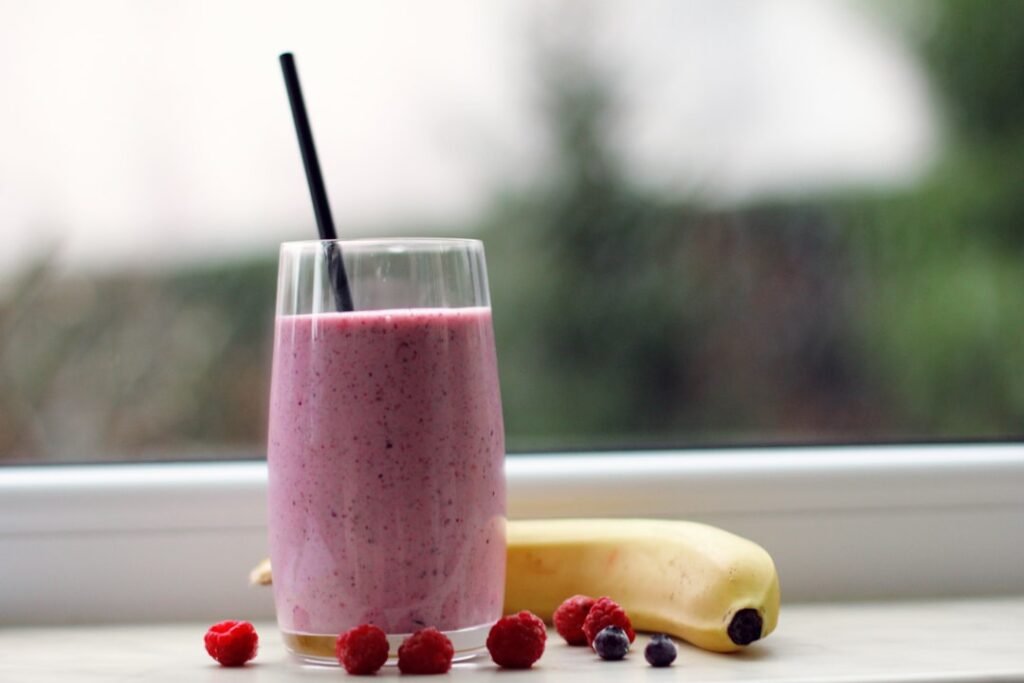
It started as a desperate Tuesday morning. My 10-year-old had declared war on eggs, my 6-year-old had eaten approximately four bites of toast, and we were already fifteen minutes behind on our homeschool schedule. I blended together whatever fruit I had in the freezer, threw in some spinach, added a scoop of peanut butter, and handed out cups before anyone could ask what was in it. Four empty cups later, my 15-year-old looked up and said, “Can we have that again tomorrow?”
That was the moment smoothies became a permanent fixture in this house.
If you have been dismissing smoothies as too complicated, too expensive, or something your kids will just reject after one sip, I want to change your mind today. Done right, a smoothie is one of the most powerful tools a busy Connecticut mom has for getting real nutrition into her kids without a fight. I am talking vegetables they cannot taste, protein that keeps them full until lunch, and fruit that actually makes the whole thing taste like a treat.
This is everything I have learned from making hundreds of smoothies for a family of six — what works, what backfires, and how to build combinations that your kids will ask for by name.
Why Smoothies Work So Well For Busy Families
Smoothies solve a problem that every parent with multiple kids understands deeply: you cannot always cook four different things to make everyone happy. A smoothie, though? You can customize it endlessly without cooking anything at all. One base, different add-ins, and every cup can be slightly different if needed.
But beyond convenience, smoothies are genuinely nutritious when you build them with intention. The USDA MyPlate guidelines remind us that fruits, vegetables, dairy, and protein should all show up consistently in our kids’ diets. A well-built smoothie can hit several of those categories in a single cup. That matters on mornings when breakfast is rushed and you know the next few hours are going to be full.
Smoothies also shine on homeschool days when we transition straight from morning devotions into lessons and nobody has time to sit down for a full cooked breakfast. My boys can carry a cup to the table, keep learning, and still be getting real fuel for their brains. That is a win I will take every single week.
The Simple Formula Every Smoothie Needs
Before I give you specific recipes, let me share the formula I use every time. Once you understand the building blocks, you can make a great smoothie with almost anything you have on hand. This is what I teach my older boys when they start experimenting on their own in the kitchen — and it has served them well.
Every smoothie in our house follows this basic structure:
- A liquid base — milk, unsweetened almond milk, oat milk, or even plain water works fine
- A frozen fruit component — frozen fruit gives you that thick, cold, almost ice-cream-like texture without adding ice that waters things down
- A protein source — Greek yogurt, nut butter, hemp seeds, or a clean protein powder with a short ingredient list
- A vegetable — yes, always; spinach and frozen cauliflower are your best friends here because neither one changes the flavor noticeably
- Optional boosters — ground flaxseed, chia seeds, oats, or a drizzle of honey if something needs a touch more sweetness
That is it. Five categories, infinite combinations. Once my 12-year-old learned this structure, he started building his own smoothies on weekend mornings and gets genuinely excited about the results. Teaching kids the logic behind healthy cooking, not just the steps, is something I believe deeply — it is a life skill they carry forever.
The Smoothies My Boys Actually Ask For
I have made a lot of smoothies that disappeared without comment and a few that got immediate requests for seconds. Here are the combinations that have earned a permanent spot in our rotation.
The Green Monster (That Doesn’t Taste Green)
This one has been going strong in our house for three years. Blend together one cup of unsweetened almond milk, one frozen banana, one cup of frozen mango chunks, two large handfuls of fresh spinach, and two tablespoons of almond butter. The mango and banana are sweet enough and bold enough to completely mask the spinach. My 6-year-old calls it his “yellow smoothie” and has no idea he drinks a full serving of greens every time.
The Strawberry Protein Shake
This one keeps my older boys full through a long morning of lessons. Blend one cup of whole milk or oat milk, one cup of frozen strawberries, three-quarters cup of plain full-fat Greek yogurt, one tablespoon of ground flaxseed, and a small drizzle of honey. The Greek yogurt adds a tangy creaminess and packs in real protein. Getting enough protein into kids throughout the day makes such a difference in their focus and mood, and this smoothie does a lot of that heavy lifting before the day even starts.
The Peanut Butter Banana Classic
You cannot go wrong with this one. One cup of milk, one frozen banana, two tablespoons of natural peanut butter, a big handful of frozen cauliflower rice, and one tablespoon of chia seeds. The cauliflower completely disappears in texture and flavor. It tastes like a peanut butter milkshake and provides fiber, healthy fat, and protein that sticks with kids for hours.
The Blueberry Brain Boost
We make this one often during heavy school weeks. Blend one cup of unsweetened oat milk, one cup of frozen blueberries, half a cup of plain Greek yogurt, one tablespoon of hemp seeds, and half a cup of frozen spinach. Blueberries are one of the best foods you can give growing kids — the Academy of Nutrition and Dietetics consistently highlights berries as some of the most nutrient-dense fruits available, rich in antioxidants that support brain health. With four boys who need their minds sharp for learning, I feel good putting this in front of them regularly.
The Smoothie Mistakes That Waste Money and Get Rejected
I made plenty of errors before I figured out what actually works, and I want to save you the frustration of learning them the hard way with a blender full of something nobody will drink.
Using fresh fruit instead of frozen. Fresh fruit gives you a thin, lukewarm smoothie that feels more like juice. Frozen fruit is what creates that thick, satisfying texture kids love. Buy frozen bags when fruit is out of season — it is significantly cheaper than fresh and just as nutritious because the fruit is frozen at peak ripeness.
Adding too many vegetables too fast. I was overly ambitious early on and threw in kale, beets, and spinach all at once. The result was a dark purple smoothie that tasted exactly like what it was — a pile of vegetables blended with fruit. Start with one mild vegetable, master hiding it, then build from there over time.
Skipping the protein. A smoothie built only on fruit and milk is essentially a sugar rush with a fast crash. Without protein and fat, kids will be hungry again in forty-five minutes. Always include at least one protein source — Greek yogurt, nut butter, seeds, or a clean protein powder if your family uses one.
Making them the night before without a plan. Smoothies oxidize quickly and lose color and texture. If you want to prep ahead, blend everything except the liquid and freeze it in individual portions. In the morning, pull a frozen pack out, add the liquid, and blend. It takes under two minutes and tastes completely fresh.
How To Keep Smoothies Affordable on a Connecticut Budget
Frozen fruit can add up if you are buying fancy small bags at full price. Here is how we keep smoothie costs reasonable for a family of six:
- Buy frozen fruit in bulk bags from warehouse stores or the large bags at Stop and Shop and ShopRite — the cost per serving drops dramatically compared to small bags
- Freeze overripe bananas before they go bad — peel them, break them into chunks, and freeze them flat on a sheet pan before transferring to a bag; they are the best smoothie banana you can get
- Stock up on spinach when it is on sale and freeze it in portions — fresh spinach freezes beautifully and blends as smooth as fresh
- Buy plain Greek yogurt in large containers rather than individual flavored cups — it costs less per serving and has no added sugar
- Use what you have — smoothies are a great way to use up fruit that is getting soft or a banana that is too spotty for anyone to eat on its own
One of the things I love about smoothies is that they actually help us reduce food waste, which matters when you are feeding a family of six on a real budget. Cutting the grocery bill without cutting nutrition is always the goal in this house, and smoothies genuinely help with both.
Getting Kids Involved In Smoothie Making
Smoothies are one of the first kitchen tasks I let my youngest try because they are genuinely safe and simple at the right stages. My 6-year-old can drop fruit into the blender and push the button with supervision. My 10-year-old measures and assembles independently. My 12-year-old experiments with new flavor combinations and has created a couple of smoothies that are now household favorites. My 15-year-old makes his own post-workout smoothies entirely on his own.
There is something meaningful about letting kids have ownership over their own food, even in small ways. When my youngest chose to put blueberries in his own smoothie because “they turn it purple,” he drank every drop. Kids eat what they help make. That is true every single time.
Beyond that, making smoothies together in the morning is one of those small, ordinary moments that adds up over time. We talk, we laugh about the colors, my 6-year-old always tries to add one extra ingredient without asking. It is chaotic and wonderful and exactly the kind of kitchen memory I hope they carry with them.
Quick Tips For Smoothie Success Every Morning
- Keep your blender on the counter — if it lives in a cabinet, you will skip it on busy mornings
- Set up a smoothie station with your most-used ingredients together so assembly takes under two minutes
- Label your frozen fruit bags so anyone in the family can grab and go without asking you which bag is which
- Blend in order — liquids first, then soft ingredients, then frozen fruit on top; this protects your blender and gives you the smoothest result
- Taste before you pour — a quick taste test lets you add a small drizzle of honey or a splash more milk before you fill six cups
Smoothies have quietly become one of the most consistent nutrition wins in our household. They are fast, they are flexible, they hide vegetables that would otherwise start a negotiation, and my boys genuinely love them. On mornings when breakfast feels impossible and everyone needs to be somewhere or learning something, a good smoothie means everyone still starts the day nourished.
That is what this blog is really about — finding the practical, realistic ways to feed your family well in the middle of a full, beautiful, chaotic life. These smoothies are one of those ways. I hope they become a staple in your Connecticut home the same way they have in ours.
