
Some nights, the last thing I want to do is wash five different pots and pans while four hungry boys are circling the kitchen like sharks. I’ve been there more times than I can count — standing at the sink at 8pm, scrubbing a dutch oven while my husband finishes up bedtime with the little ones, thinking there has to be a better way. There is. It’s called the one-pan dinner, and it has genuinely changed how I cook for this family.
Whether we’re talking about sheet pan meals that roast everything together in the oven, or big skillet dinners that come together on the stovetop in under 30 minutes, the one-pan approach is one of the most practical cooking strategies I’ve found for feeding a family of six without losing my mind on a Tuesday night. And the best part? These meals can be just as nutritious as anything that takes twice as long and dirties twice as many dishes.
If you’re a Connecticut mom juggling work, homeschool, sports schedules, and the never-ending question of what’s for dinner, this guide is for you.
Why One-Pan Dinners Work So Well For Busy Families
The genius of one-pan cooking isn’t just about fewer dishes — although that alone is worth celebrating. It’s about simplicity that doesn’t sacrifice nutrition. When you build a sheet pan or skillet meal thoughtfully, you naturally combine a protein, a vegetable, and often a starch or grain all in one cooking vessel. That’s a complete, balanced dinner with minimal effort.
For families like ours, where appetites range from my 6-year-old picking at things suspiciously to my 15-year-old eating everything that isn’t nailed down, one-pan meals also have a practical flexibility. You can spread ingredients across a sheet pan so the picky eater doesn’t have to eat the thing that’s touching the other thing. You can add more of what one kid loves without overhauling the whole recipe. It works for real family dynamics.
According to the Academy of Nutrition and Dietetics, families who cook at home more frequently tend to consume more vegetables, more fiber, and fewer empty calories than families who rely heavily on takeout or processed convenience meals. One-pan dinners make home cooking realistic enough that it actually happens — and that matters far more than any perfect recipe ever could.
The Building Blocks Of A Great One-Pan Dinner
Before I give you specific ideas, I want to walk you through the formula I use in my own kitchen. Once you understand this structure, you can create a one-pan dinner out of almost anything in your fridge and pantry.
1. Start with a protein. Chicken thighs, drumsticks, ground turkey, sausage, shrimp, salmon, chickpeas, or eggs — these all work beautifully in one-pan cooking. I usually reach for bone-in, skin-on chicken thighs for sheet pan meals because they stay juicy and forgiving even if things run a little long in the oven. For skillets, ground turkey or Italian turkey sausage comes together fast and absorbs flavor well.
2. Pick your vegetables. This is where I sneak in as much nutrition as possible. Broccoli, bell peppers, zucchini, sweet potatoes, cherry tomatoes, green beans, Brussels sprouts, and cauliflower all roast or sauté beautifully. My general rule is to cut everything roughly the same size so it cooks evenly. Denser vegetables like sweet potato go in first; more delicate ones like zucchini get added later.
3. Choose your seasoning strategy. This is where the flavor lives. A good olive oil base, kosher salt, garlic powder, and whatever dried herbs or spices fit the mood. Smoked paprika, Italian seasoning, cumin and chili powder, lemon and thyme — each of these creates a completely different dinner from the same basic structure.
4. Add a starch if needed. Baby potatoes, cubed sweet potatoes, and cooked grains stirred into a skillet at the end are all easy ways to make the meal more filling for big appetites. My 15-year-old in particular needs a real starch at dinner or he’s back in the kitchen an hour later raiding the pantry.
My Favorite Sheet Pan Dinner For A Family Of Six
This is the meal I make when I have almost nothing planned and need something on the table fast. It’s my Sheet Pan Chicken Thighs with Sweet Potato and Broccoli, and my family has eaten it probably fifty times without complaining.
I use about eight bone-in chicken thighs, two medium sweet potatoes cubed small, and two large crowns of broccoli broken into florets. Everything gets tossed with olive oil, smoked paprika, garlic powder, onion powder, salt, and a little black pepper. The sweet potatoes go down first at 425 degrees for about 15 minutes, then I add the chicken and broccoli and roast everything together for another 25 to 30 minutes until the chicken skin is crispy and the broccoli has those gorgeous caramelized edges my kids actually fight over.
That’s it. One pan. About 45 minutes total including prep. And the flavor that comes out of that oven — the sweet potato getting a little caramelized on the bottom, the chicken skin crisping up, the broccoli going slightly nutty — it tastes like something that took much longer than it did. I always say a good sheet pan dinner is one of God’s little gifts to tired moms.
One-Pan Skillet Dinners For Nights When You Need Speed
Sheet pan meals are wonderful, but they do require oven time. On nights when we have something going on in the evening — a church event, a co-op class, or one of my boys has an activity — I reach for the skillet instead.
My go-to is a turkey and vegetable skillet with white beans. I brown a pound of ground turkey in a large cast iron skillet, drain off any excess fat, then add diced onion, bell pepper, and zucchini. I season it with Italian herbs, garlic, crushed tomatoes from a can, and a can of drained white beans for extra protein and fiber. Everything simmers together for about 15 minutes. Serve it over brown rice or whole grain pasta, or just with crusty whole grain bread, and you have a complete meal that took less than 30 minutes and used one pan.
If you’re building out a weekly rotation of meals like this, my post on using a weekly dinner rotation to save money and reduce stress is a great companion to this one — because once you have four or five reliable one-pan dinners in your rotation, weekly planning becomes so much easier.
Tips For Making One-Pan Dinners Work With Picky Eaters
I have four boys with four different opinions about food. Here’s what I’ve learned after years of navigating that reality at dinnertime.
- Don’t mix everything together on the pan. Keep the protein in one area, the vegetables in another. My 6-year-old genuinely cannot handle foods that have touched each other in a way he didn’t approve of. A little space on the sheet pan saves a lot of drama at the table.
- Let them customize the toppings. A plain sheet pan dinner suddenly becomes exciting when there’s a small bowl of shredded cheese, a drizzle of hot sauce, or a squeeze of lemon available. My 10-year-old puts lemon on everything now. I’m not questioning it.
- Introduce new vegetables slowly. I’ll roast a familiar vegetable like broccoli alongside something new — maybe roasted cauliflower or thinly sliced Brussels sprouts. The familiar vegetable creates comfort; the new one becomes background noise until someone actually tries it. My 12-year-old discovered he loves roasted Brussels sprouts this way. That felt like a parenting win.
- Involve them in the prep. When one of my boys has helped toss the vegetables in oil and seasoning, he is significantly more invested in eating them. Kitchen participation matters — and it’s one of the reasons I love one-pan cooking for teaching moments. The steps are simple enough that even my younger ones can contribute meaningfully.
How To Make One-Pan Dinners More Nutritious Without More Work
The nutritional value of a one-pan meal depends almost entirely on what you put in it. Here are a few swaps and additions I’ve built into our regular rotation to make sure we’re getting real nourishment out of these simple dinners.
- Choose dark meat chicken over white meat for sheet pan meals. It stays juicier, which means less temptation to coat things in heavy sauces to compensate for dryness. Chicken thighs are also typically more affordable, which matters when you’re feeding six people.
- Double the vegetables. I always add more vegetables than a recipe calls for. They shrink when roasted, and my crew eats more than I expect when the vegetables are caramelized and well-seasoned. The USDA MyPlate guidelines recommend filling half your plate with fruits and vegetables — the easiest way to do that is to just load up the pan.
- Add a legume where it fits. Chickpeas roasted right on the sheet pan get crispy and delicious. White beans stirred into a skillet add protein and fiber without changing the flavor dramatically. These additions are especially useful on nights when we’re eating less meat.
- Use olive oil, not cooking spray. A real drizzle of olive oil helps vegetables roast properly instead of steaming, and it contributes healthy fats that support growing kids’ brains and bodies.
How One-Pan Cooking Fits Into Our Weekly Rhythm
I plan our dinners every week, and I usually slot two or three one-pan meals into the rotation — typically on our busiest evenings. Monday tends to be a sheet pan chicken night. Wednesday is often a skillet dinner. Friday we usually do something a little more relaxed or fun, like homemade pizza or tacos where everyone builds their own. Having that structure means I’m not standing in the kitchen at 5pm trying to invent dinner from scratch.
If you’re trying to build that kind of rhythm for your own family, our guide to building a healthy weekly meal plan on a real Connecticut family budget walks through how to approach that planning process in a way that’s actually sustainable — not some idealized version of meal planning that falls apart by Wednesday.
One-pan dinners have also been a wonderful way to involve my older boys in real cooking. My 15-year-old can now put together a full sheet pan dinner on his own — protein, vegetables, seasoning, correct oven temperature, everything. That is a life skill I feel genuinely good about having passed on. My 12-year-old handles skillet dinners with supervision. These aren’t complicated techniques, but the repetition of making them week after week builds real confidence and competence in the kitchen.
A Few More One-Pan Combinations Worth Trying
Once you have the formula down, the combinations are practically endless. Here are a few that have earned a permanent spot in our family’s dinner rotation.
- Sheet Pan Sausage with Peppers and Potatoes: Turkey or chicken sausage sliced into coins, baby potatoes halved, and thick-sliced bell peppers. Season with Italian herbs and a drizzle of balsamic vinegar at the end.
- Sheet Pan Salmon with Asparagus and Lemon: A spring and summer favorite. Ready in 20 minutes and impressive enough to make any weeknight feel special.
- Skillet Shrimp with Zucchini and Tomatoes: Fast, light, and delicious over brown rice or whole grain couscous. Shrimp cooks in minutes, which means this is a true 20-minute dinner.
- Sheet Pan Black Bean and Sweet Potato Tacos: Roast cubed sweet potato and seasoned black beans together, then pile into warm tortillas with avocado and salsa. Completely meatless but filling enough that nobody at our table has complained.
The Real Reason I Keep Coming Back To One-Pan Cooking
At the end of a long homeschool day, after lessons and lunch and whatever else the afternoon threw at us, I don’t want cooking dinner to feel like a burden. I want it to feel manageable. I want to be present at the table with my family — not exhausted from a marathon kitchen session or still doing dishes while everyone else is done eating.
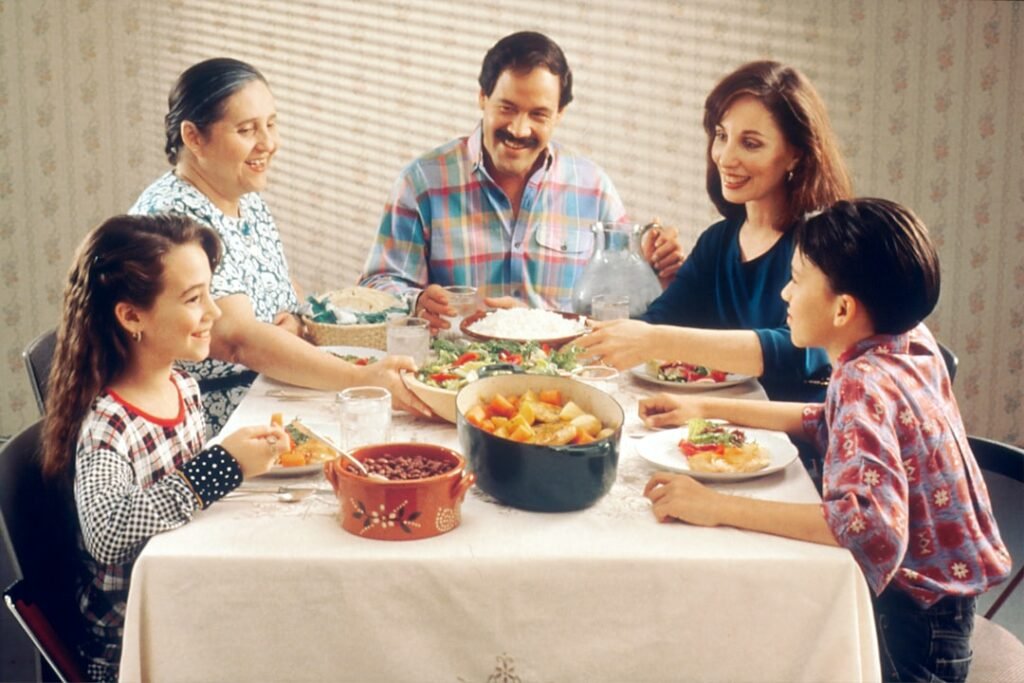
One-pan cooking gives me that. It gives me a meal I feel good about serving, a kitchen that isn’t destroyed, and enough margin left over to actually sit down and eat with my people. That time around the table — giving thanks, hearing about everyone’s day, watching my boys talk over each other in the best possible way — that’s what all this cooking is really for. The one-pan dinner just makes it easier to get there.
Pick one of these combinations this week and try it. You don’t need a special pan or a complicated recipe. You just need a baking sheet, a skillet, some good ingredients, and the knowledge that a simple, nourishing dinner is absolutely within reach on even the busiest Connecticut evening.
